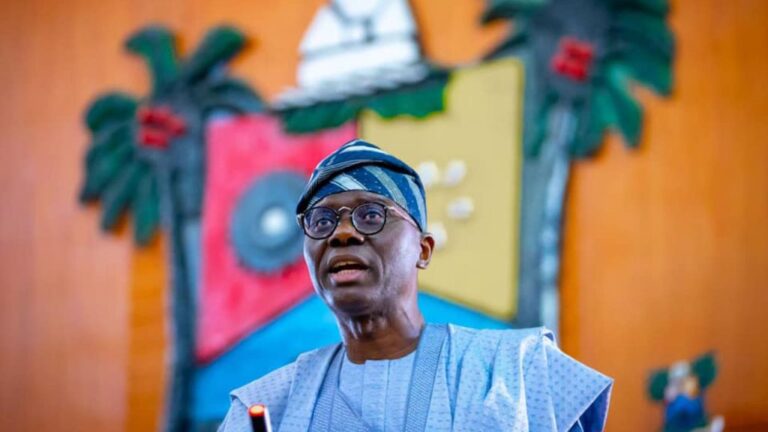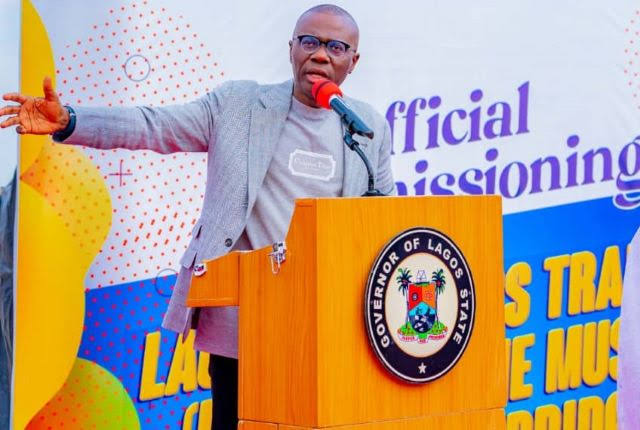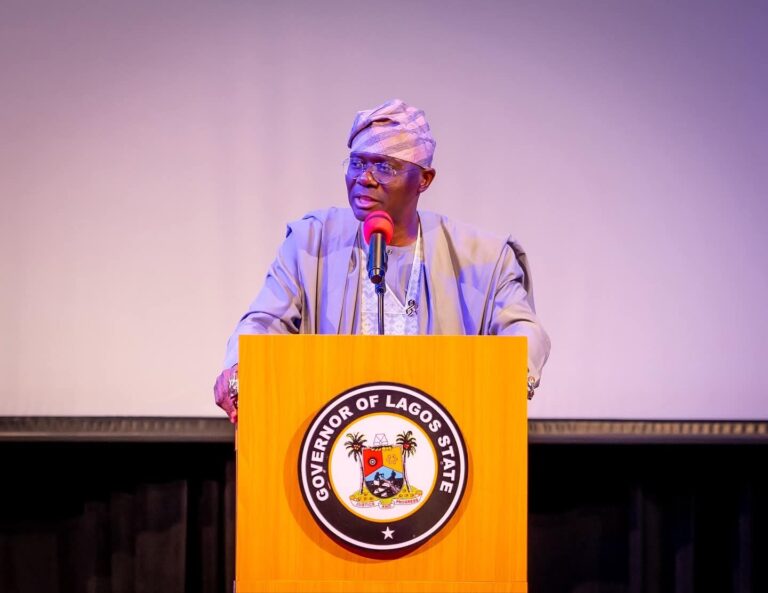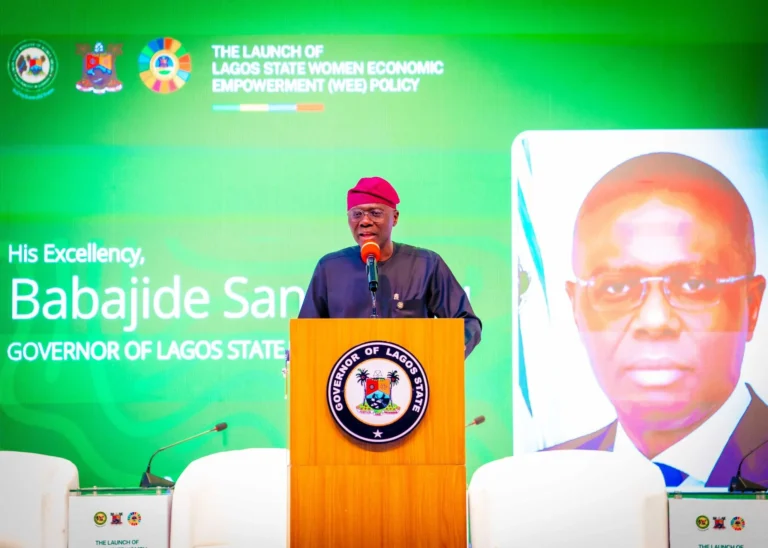
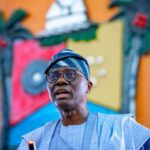
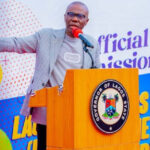
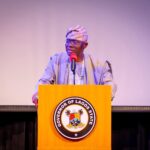
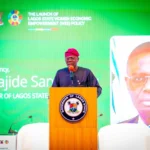
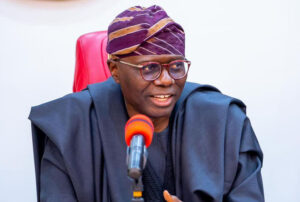
At the 3rd Federal Airports Authority of Nigeria (FAAN) National Aviation Conference held today, Lagos State Governor Babajide Sanwo-Olu joined national leaders and industry stakeholders to discuss the future of Nigeria’s aviation sector. The event was graced by President Bola Ahmed Tinubu, who was represented by the Secretary to the Government of the Federation, Senator George Akume. Together, participants examined new strategies to bolster aviation as a vital driver of national development.
This year’s conference theme, “Elevating the Nigerian Aviation Industry through Investment, Partnership and Global Engagements,” underscores the collective commitment to modernising the sector. Governor Sanwo-Olu emphasised that Lagos, as the nation’s busiest aviation hub, fully understands the significant influence aviation has on economic expansion, competitiveness and national connectivity. These realities, he noted, reinforce the importance of building a seamless, multimodal transport system capable of supporting the state’s long-term growth.
The governor highlighted ongoing progress in Lagos’ integrated transportation network. With thousands of commuters already relying on the Blue and Red Line rail systems daily, the state is now advancing plans for the Green Line Rail. This new route will link Marina to the rapidly developing Lekki corridor, ultimately extending to the proposed Lekki-Epe International Airport site.
Sanwo-Olu described the planned airport as a landmark project designed to ease congestion at the Murtala Muhammed International Airport (MMIA) while providing critical support to the expanding Lekki industrial and commercial zone. The state envisions the new airport as a modern, climate-responsible facility built on principles of sustainability, strong community participation and long-term economic impact. Once completed, it is expected to strengthen Lagos’ position as West Africa’s leading aviation and logistics hub.
The governor reaffirmed Lagos State’s commitment to deepening collaboration with FAAN, the Nigerian Civil Aviation Authority (NCAA) and the Federal Government to build a safer, more efficient and globally competitive aviation framework. He also extended an open invitation to investors, development partners and airline operators, assuring them that Lagos remains a fertile ground for innovative ventures.
“Lagos is open for business, and our vision for the future of aviation is bold, ambitious and achievable,” Sanwo-Olu said, reiterating the state’s readiness to drive transformative growth in Nigeria’s aviation landscape.
About the Author