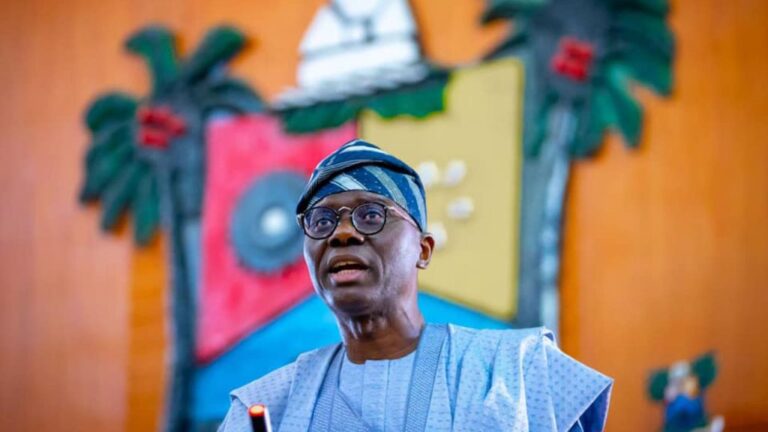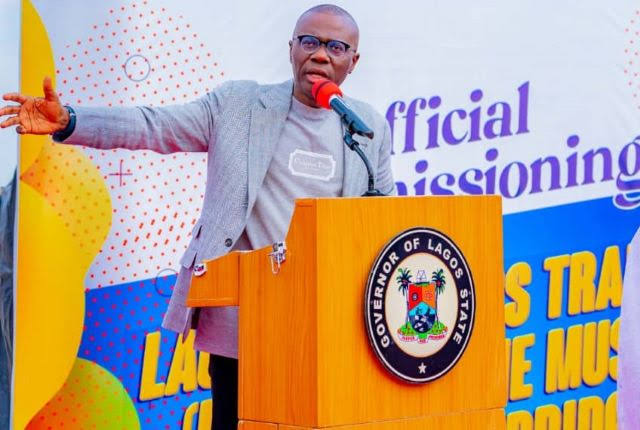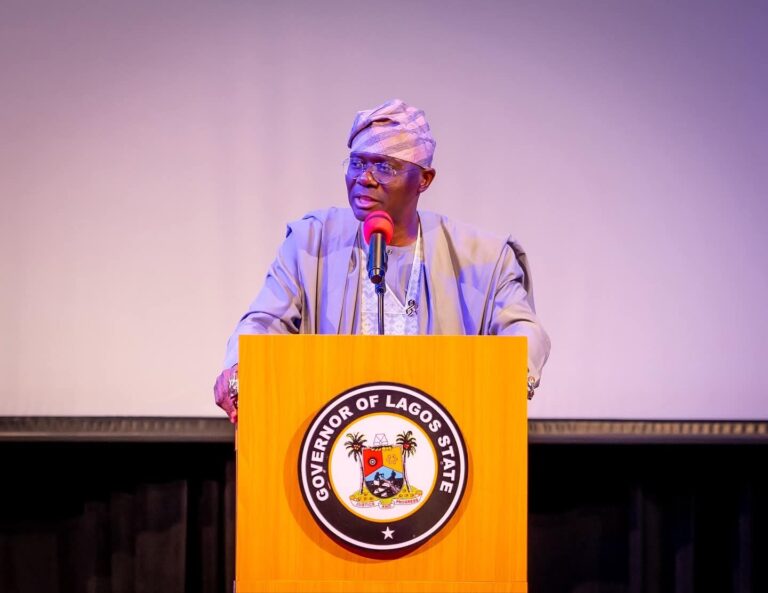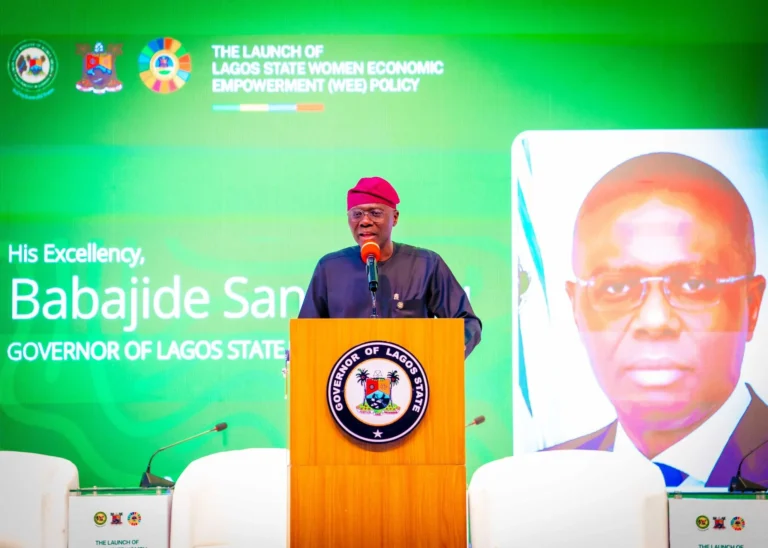
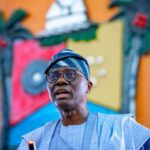
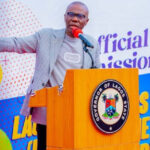
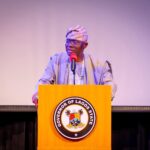
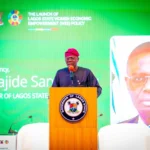
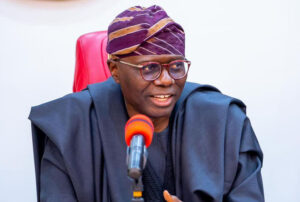
Today, I received the Olori Eyo, the White Cap Chiefs, traditional leaders, and other participants at Lagos House, Marina, as part of the Ijade Opa Eyo procession, marking the official commencement of this year’s Eyo Festival. The gathering highlighted the deep cultural significance of one of Lagos’ most iconic traditional celebrations and reaffirmed the state’s commitment to preserving its rich heritage.
The Eyo Festival offers Lagos a unique opportunity to present itself beyond its widely known status as Nigeria’s economic and commercial hub. It reminds the world that Lagos is equally defined by its history, culture, and tourism assets. These cultural expressions are central to our identity as a people. Culture grounds us, shapes our values, and connects generations, ensuring that what we inherit is carefully preserved and meaningfully passed on.
This year’s Eyo Festival is dedicated to honouring remarkable individuals whose lives and service helped shape Lagos State and Nigeria. Among those being remembered are the late Chief Abibat Mogaji, Iyaloja-General and mother of His Excellency, President Bola Ahmed Tinubu; Mobolaji Johnson, the first Military Governor of Lagos State; Alhaji Lateef Jakande, the state’s first civilian governor; and Sir Michael Otedola of the Third Republic. Their enduring legacies continue to influence governance, leadership, and community development in Lagos.
The commencement of the Eyo Festival speaks powerfully to our shared identity, continuity, and collective memory. A society that loses touch with its cultural roots risks losing its sense of purpose, and Lagos has deliberately chosen to remain firmly connected to its traditions.
I extend my sincere appreciation to His Majesty, Oba Rilwan Akiolu, for his leadership and for championing the successful return of the Eyo Festival after an eight-year hiatus. I also thank all participants and supporters whose presence reflects the strength, dignity, and resilience of Lagos culture.
About the Author