




Makoko, the historic riverine settlement often described as the “Venice of Lagos,” has raised concerns over what residents describe as an unjust demolition exercise affecting parts of the community. Located near the Third Mainland Bridge, Makoko is home to an estimated 80,000 people whose livelihoods are closely tied to fishing, trading and informal commerce.
The controversy follows the Lagos State Government’s decision to demolish structures said to be dangerously close to high-tension power lines running through the area. According to the Lagos State Building Control Agency (LASBCA), state regulations stipulate that the minimum horizontal distance between any building and the centre line of an electric overhead conductor must be at least 30 metres for a 330kV power line. Structures that fall short of this requirement were marked for removal in the interest of public safety.
Community leaders say residents initially cooperated with the government when the first phase of demolition began. They explained that the understanding reached with officials was that only houses clearly violating the stipulated safety distance would be affected, while buildings that complied with the law would be spared.
However, residents now allege that the demolition exercise has gone beyond the agreed scope, with several structures that reportedly met the legal requirements also being pulled down. This development has sparked outrage and anxiety among affected families, many of whom claim they received little or no notice and have been rendered homeless without clear plans for resettlement or compensation.
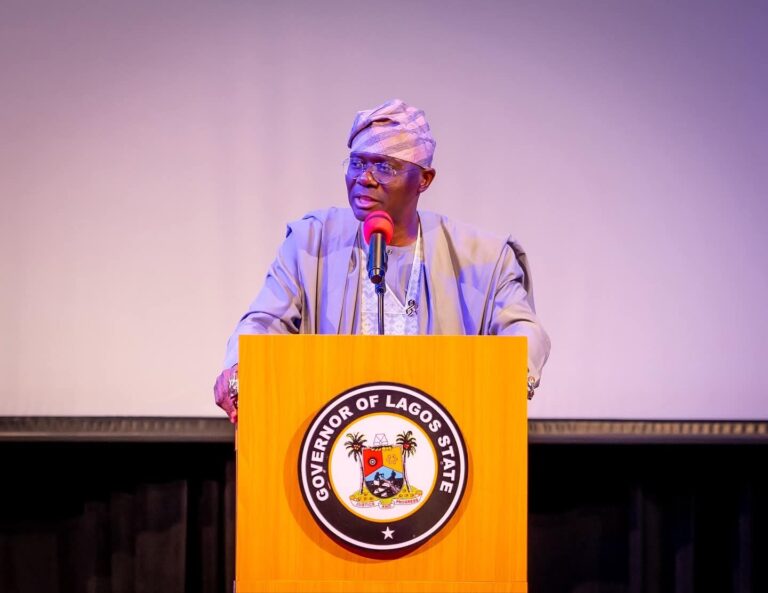
Makoko residents are appealing directly to Governor Babajide Sanwo-Olu to intervene, urging his administration to review the exercise and ensure fairness, transparency and adherence to due process. They argue that while safety regulations are important, enforcement should be humane and considerate of the socio-economic realities of vulnerable communities.
The situation has renewed calls from civil society groups for the Lagos State Government to balance urban development and safety concerns with the protection of citizens’ rights, especially in informal settlements that have existed for decades. As tensions rise, residents hope for dialogue and a solution that prioritises both public safety and human dignity
About the Author