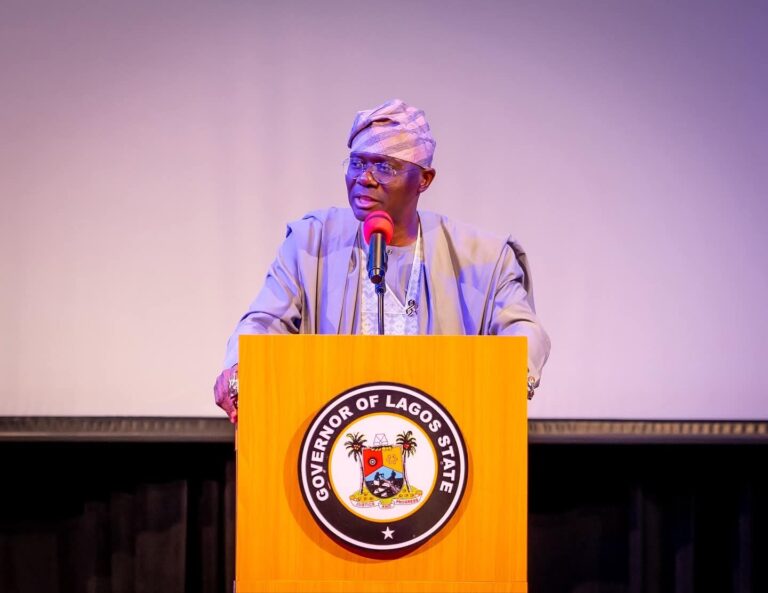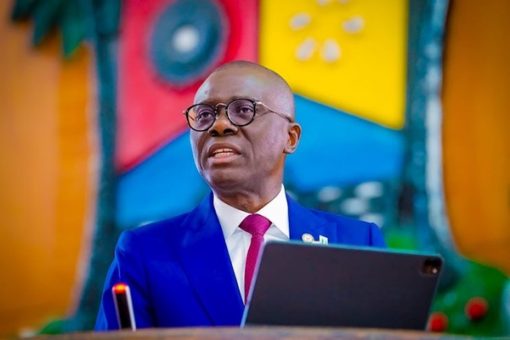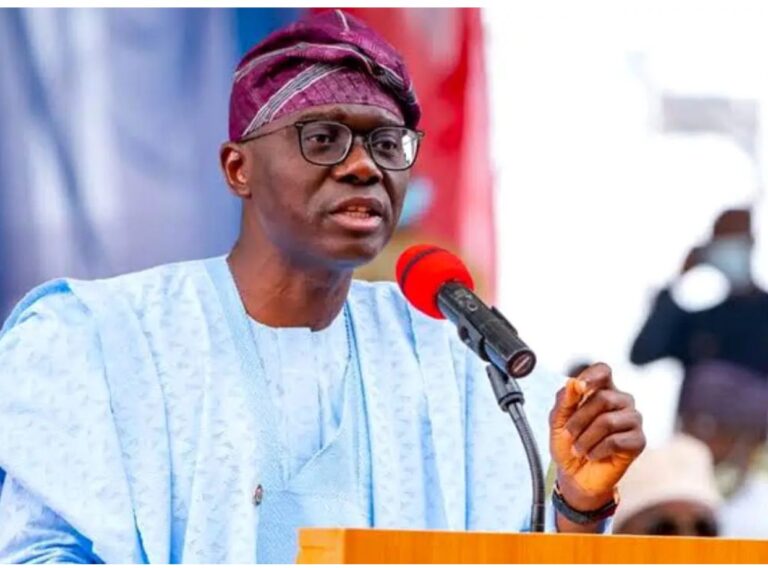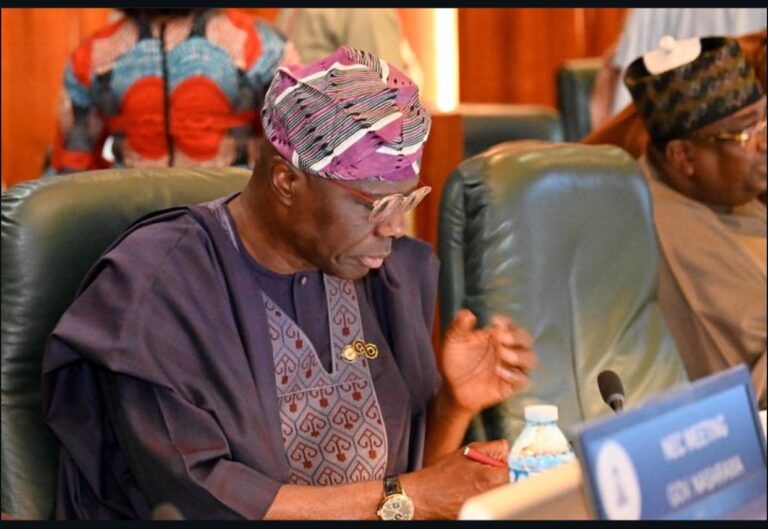
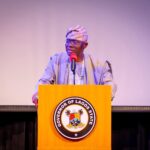
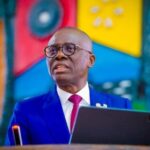
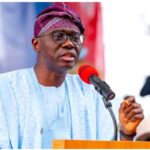
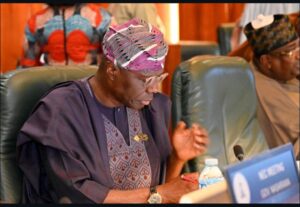
Babajide Sanwo-Olu has reaffirmed his administration’s commitment to improving electricity supply across Lagos State following a high-level meeting with the leadership of Eko Electricity Distribution Company Plc.
The meeting, held at Lagos House, Marina, brought together the Governor and the Chairman of Eko DisCo, Olubunmi Peters, alongside members of the company’s management team. The discussions focused on the current state of power supply in the state, examining areas of progress as well as persistent challenges affecting residents and businesses.
Governor Sanwo-Olu stated that the engagement was aimed at finding practical solutions to long-standing issues in the electricity sector, including service reliability, customer experience, and infrastructure gaps. He noted that while some improvements have been recorded, there is an urgent need for faster and more visible progress to meet the growing demands of Lagosians.
According to the Governor, electricity remains a critical pillar for economic growth, job creation, and quality of life. He emphasized that reliable power supply is not a luxury but a necessity for households, small businesses, and large industries operating in the state. As such, his administration will continue to hold stakeholders accountable while supporting initiatives that strengthen service delivery.
The leadership of Eko DisCo, on their part, outlined ongoing efforts to upgrade facilities, improve response time to faults, and enhance customer communication. They also discussed plans to collaborate more closely with the state government to tackle technical and operational challenges that hinder consistent power supply.
Governor Sanwo-Olu assured residents that the state government would maintain regular engagement with electricity distribution companies and other relevant stakeholders to ensure that agreed actions translate into real improvements on the ground. He added that Lagosians deserve power services that are dependable, efficient, and responsive to their needs.
The meeting reflects the state government’s
About the Author