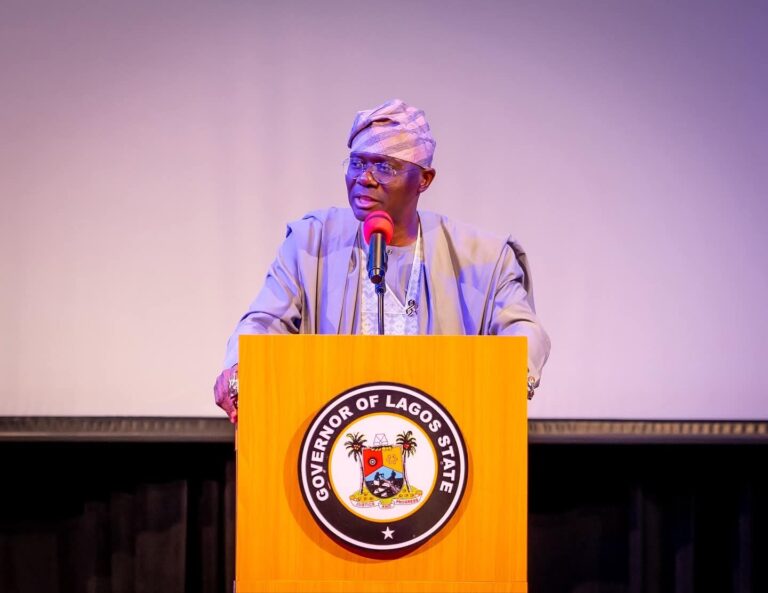


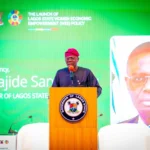
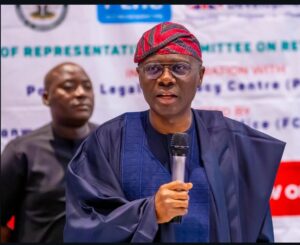
Lagos State Governor, Mr. Babajide Olusola Sanwo-Olu, has commended the Senate and House of Representatives Committee on the Review of the 1999 Constitution for their dedication to ensuring a transparent, inclusive, and participatory process in reshaping Nigeria’s supreme law.
Governor Sanwo-Olu made this known while attending the retreat of the Senate and House of Representatives Joint Committee on the Review of the 1999 Constitution. The Governor described the initiative as a crucial step toward deepening democracy and building stronger institutions that genuinely reflect the aspirations and collective will of the Nigerian people.
He noted that the ongoing review process is not merely about amending a document, but about reinforcing the bond between government and citizens. According to him, “This exercise goes beyond updating a legal framework; it is about redefining our national values, strengthening the social contract, and ensuring that governance works for everyone, regardless of background, region, or political affiliation.”
Governor Sanwo-Olu emphasized that constitutional reform remains vital to Nigeria’s progress, as it provides an opportunity to address long-standing issues such as devolution of powers, fiscal federalism, state police, and local government autonomy. He urged stakeholders to approach the review with sincerity and a shared vision for a more equitable, prosperous, and unified nation.
He further commended the National Assembly leadership for opening the process to public input and expert consultations, stressing that such inclusivity would ensure that the outcome truly represents the hopes and expectations of every Nigerian.
“Together,” he said, “we can shape a Constitution that captures the essence of who we are as a people and sets the foundation for the Nigeria we all desire — one rooted in justice, equity, and opportunity for all.”
Governor Sanwo-Olu reaffirmed Lagos State’s commitment to contributing constructively to the national dialogue, pledging continued collaboration with federal and sub-national actors in the pursuit of a more responsive and people-centered Constitution
About the Author