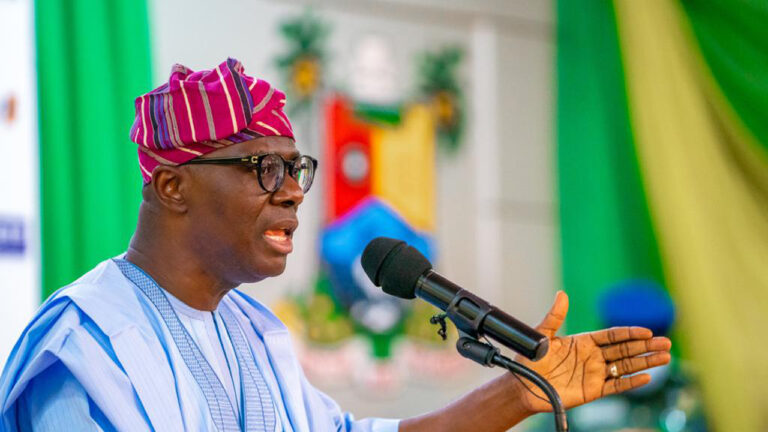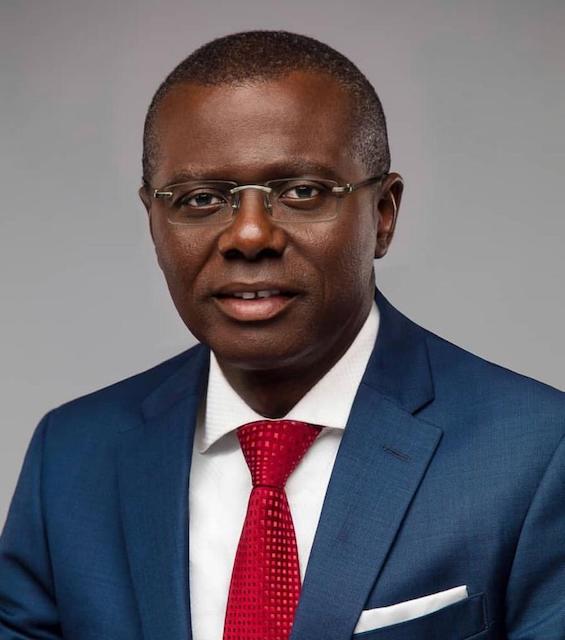




Governor Babajide Sanwo‑Olu of Lagos has called on Lagosians to reject the notion that the city’s identity should be defined by plastic pollution, and instead to redefine it through  innovation, responsibility and sustainable action. He made this appeal during the 19th edition of the annual “Walk for Nature” organised by the Nigerian Conservation Foundation (NCF) in partnership with the Lagos State Government (LASG) at the Yaba College of Technology in Yaba, Lagos.
Under the theme “Lagos, Let’s Beat Plastic Pollution”, the Governor described the choice of focus as “apt because the issue is urgent and also speaks directly to one of the most pressing environmental challenges of our time: the unchecked use and improper disposal of plastic waste.” Sanwo-Olu stressed that plastic pollution is no longer a remote concern: it clogs drains, pollutes waterways, threatens marine life and undermines the quest for a sustainable future.
He cited a staggering estimate: Nigeria generates about 2.5 million tonnes of plastic waste annually, and Lagos alone contributes approximately 870,000 tonnes — of which less than 12 percent is recycled. As a coastal mega-city, Lagos must lead by example, he said. Tackling plastic pollution, he argued, is not simply environmental policy, but essential to building a cleaner, healthier and more resilient Lagos aligned with the THEMES+ Agenda.
On the practical front, the state has taken several measures: enforcement of a ban on single-use plastics and Styrofoam containers; strengthening of waste collection and recycling systems via the Lagos Waste Management Authority (LAWMA); the launch of a “Blue Box” programme for waste separation at source; expansion of “waste‐to‐wealth” initiatives to turn recyclables into economic opportunities; and new investments in recycling infrastructure and public-awareness campaigns.
The Governor emphasised that while enforcement is important, lasting change requires behavioural shift, shared responsibility, and conscious stewardship by every individual. He urged residents to adopt the “8 Rs” of sustainable living: Reduce, Reuse, Recycle, Rethink, Repair, Re-gift, Recover and Refuse.
Also addressing the gathering, the NCF commended the state government for its long-standing partnership and urged increased public pressure on manufacturers to reduce single-use plastics and embrace alternatives. The 19th Walk for Nature marked a milestone by taking place for the first time within a tertiary institution, an intentional move to engage young people — more than 60 percent of Nigeria’s population — in changing mindsets and promoting sustainable consumption habits.
As Lagos takes this bold step, the message from both government and conservation advocates is clear: the city’s future should be defined not by its plastic waste, but by its innovation, responsibility and the active participation of its citizens in protecting the environment.
About the Author