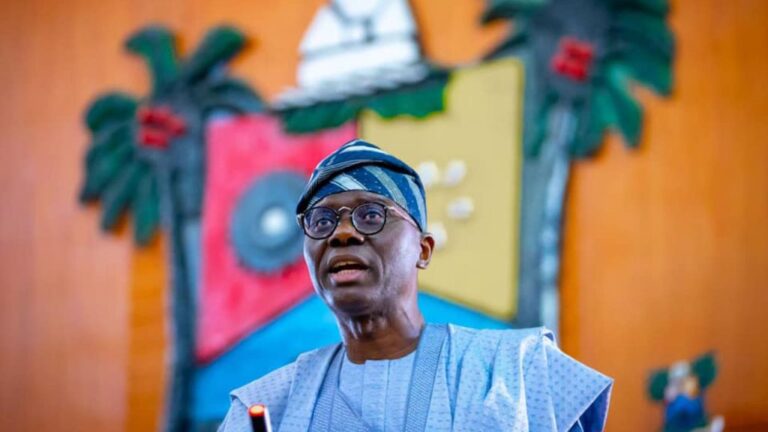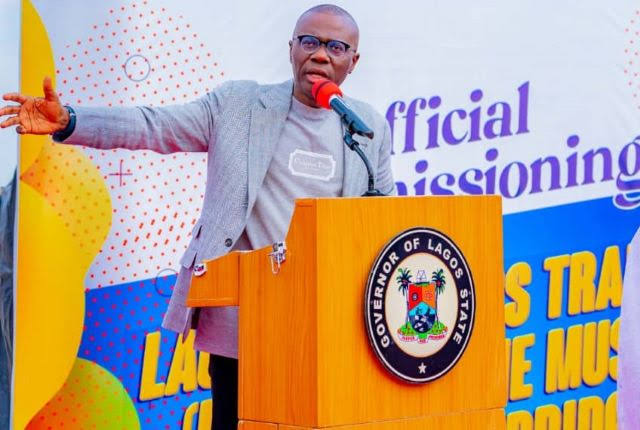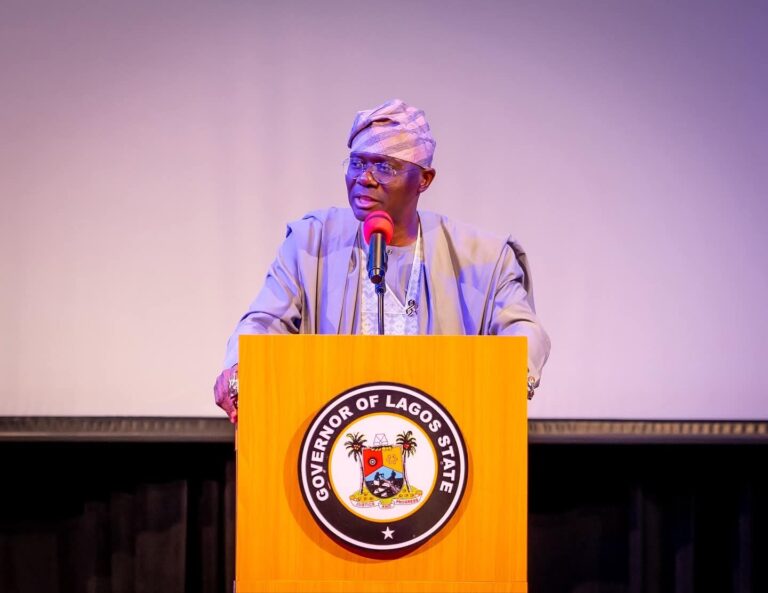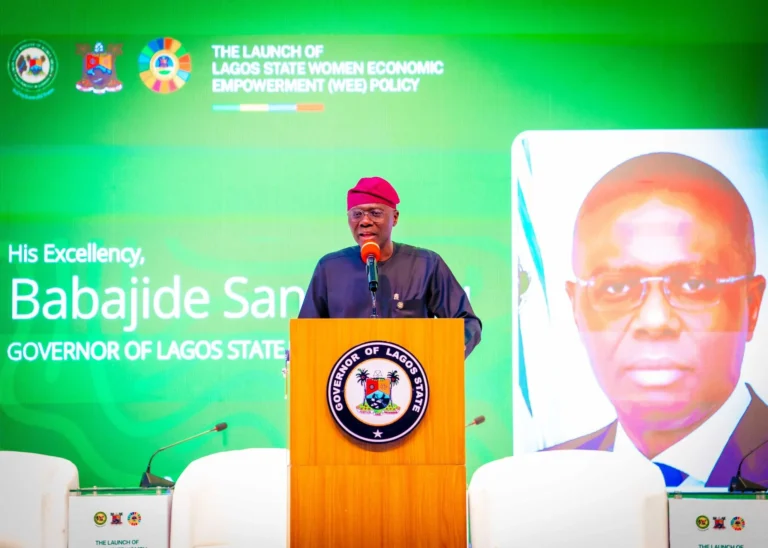
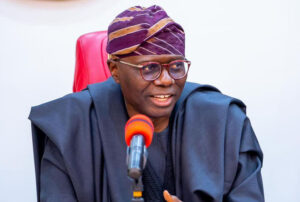
Lagos State Governor Babajide Sanwo-Olu was a distinguished guest at the 60th Annual Bankers’ Dinner hosted by the Chartered Institute of Bankers of Nigeria (CIBN), where he delivered an inspiring keynote address to leaders and stakeholders within the nation’s financial sector. The event, a major fixture on Nigeria’s financial calendar, brought together top executives from banking institutions, policymakers, regulators, and professionals committed to advancing the industry.
In his address, Governor Sanwo-Olu highlighted the evolving role of the financial sector in driving sustainable economic transformation. He emphasized the need for strengthened collaboration between government and banking institutions to accelerate economic growth, support innovation, and enhance financial inclusion. According to him, Nigeria’s economic future depends heavily on a resilient, technology-driven, and inclusive financial system capable of empowering individuals and businesses at every level.
Reflecting on the significance of the dinner’s 60th anniversary, the Governor acknowledged CIBN’s longstanding contributions to professional excellence and ethical banking practices in Nigeria. He commended the institute for its commitment to capacity building, regulatory advancement, and industry-standard reforms that have helped shape the country’s financial landscape over the decades.
Governor Sanwo-Olu also reaffirmed Lagos State’s position as the nation’s commercial heartbeat and the administration’s continued investment in infrastructure, technology, and public-private partnerships. He noted that these efforts are designed to strengthen the business environment and make Lagos an even more attractive hub for financial services and fintech innovation.
The evening concluded with renewed commitment from stakeholders to work together toward a more robust banking ecosystem—one that leverages innovation, prioritizes customer trust, and contributes meaningfully to national development. The event marked not only a celebration of CIBN’s milestones but also a forward-looking dialogue on the future of Nigeria’s economy and its dynamic financial sector
About the Author