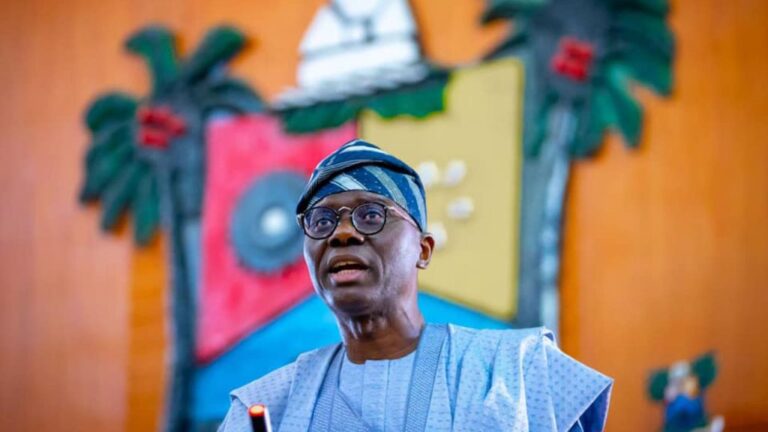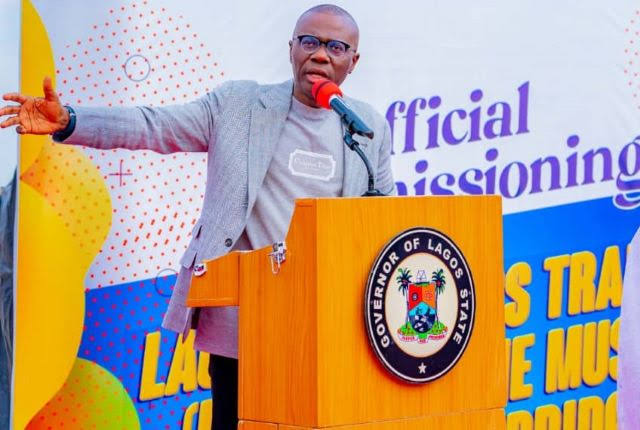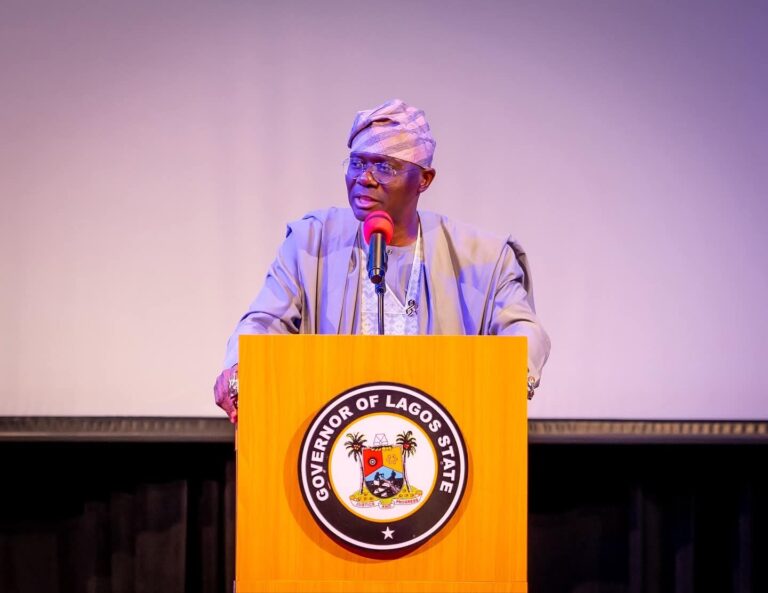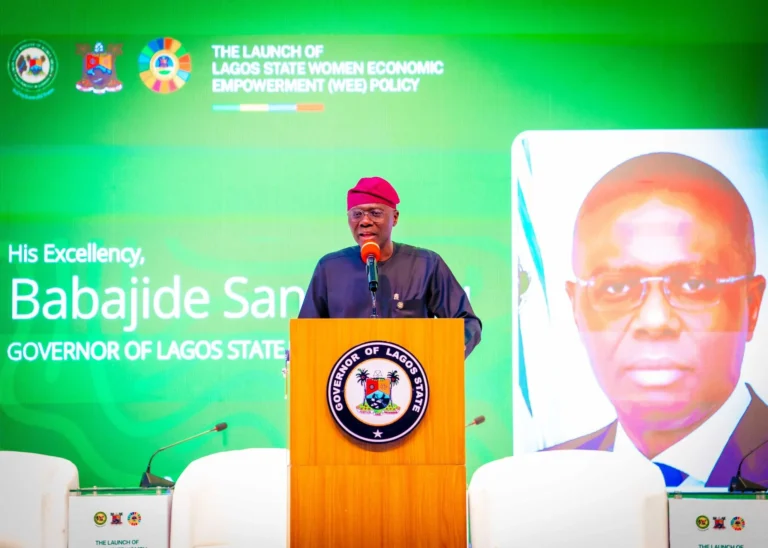


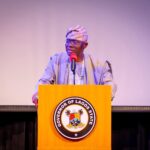
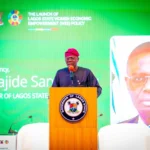

Lagos State is positioning its vast aquatic resources at the centre of its long-term economic strategy, signalling a decisive shift toward a blue-economy–driven future. Governor Babajide Sanwo-Olu announced this new direction during the opening of the 2025 Lagos International Climate Change Summit, which began on Thursday with the theme: “Blue Economy, Green Money: Financing Africa’s Coastal Resilience and Ocean Innovation.”
According to the governor, Lagos is ready to take a “deep plunge” into opportunities offered by its maritime environment. He explained that the state’s extensive coastline, waterways, and ocean assets remain largely underutilised, yet they hold immense potential to transform the economy, generate new revenue streams, and strengthen environmental sustainability.
Sanwo-Olu emphasized that the blue economy is not simply about exploiting ocean resources but about doing so in a way that ensures ecological balance and long-term resilience. He noted that investing in ocean-based innovation will help Lagos build stronger coastal defences, protect marine ecosystems, and support industries such as fisheries, maritime transport, tourism, renewable energy, and coastal infrastructure.
The governor also highlighted that the global shift toward sustainable financing offers Lagos an opportunity to attract green capital for ocean-friendly projects. He believes that by aligning economic development with environmental stewardship, the state can unlock funding sources that reward climate-conscious growth.
Sanwo-Olu described the summit as a platform for collaboration among policymakers, researchers, investors, and coastal communities. He called for shared solutions that will safeguard oceans, enhance climate adaptation, and secure prosperity for future generations.
The 2025 summit, now a major gathering for climate and environmental stakeholders in Africa, is expected to generate actionable strategies on harnessing ocean resources responsibly while strengthening Lagos’ resilience against climate-induced challenges such as flooding, erosion, and rising sea levels.
With this new commitment, Lagos is aiming to become a regional model for leveraging the blue economy to drive innovation, create jobs, and build a sustainable, ocean-powered future
About the Author