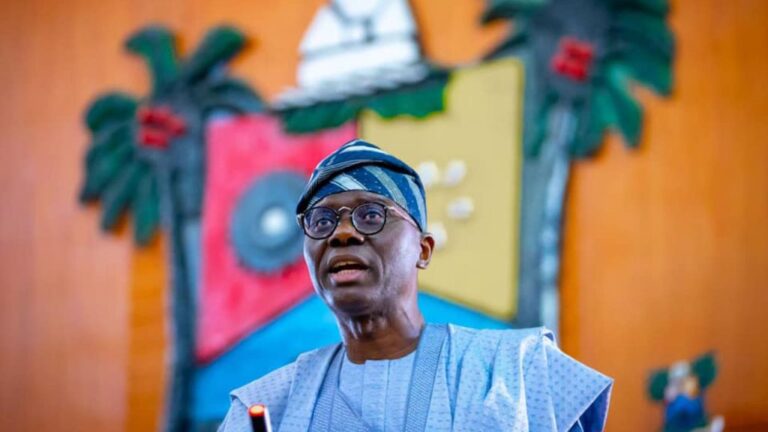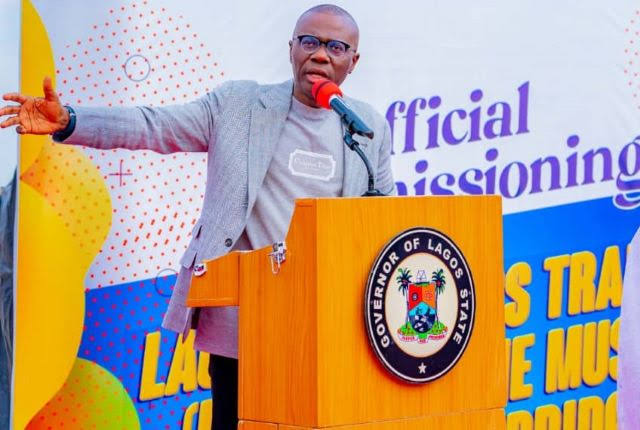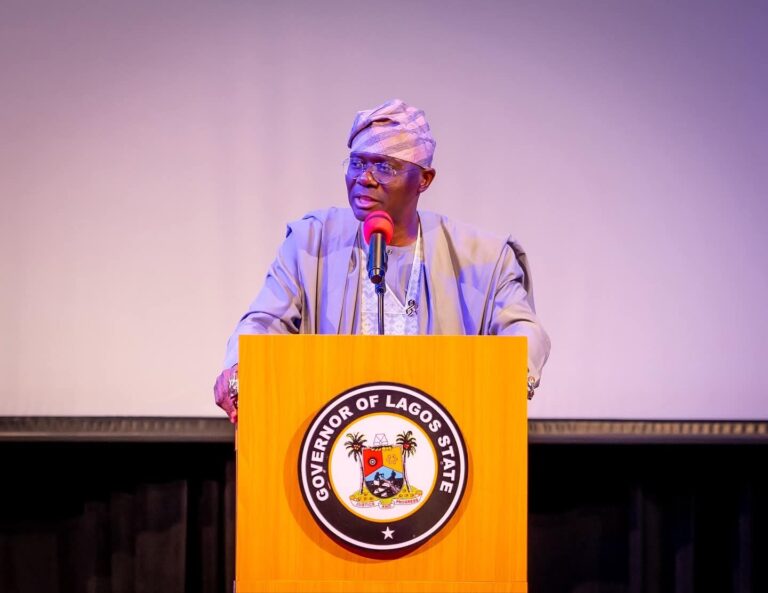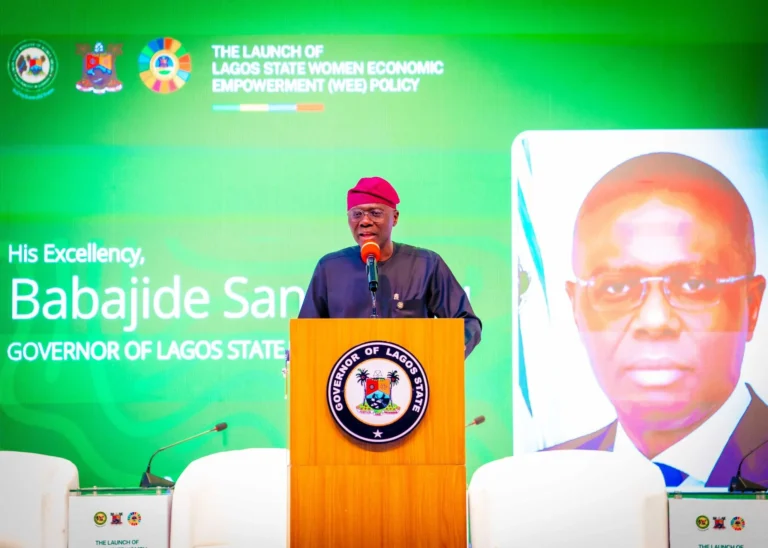
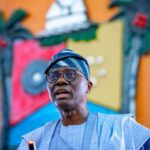
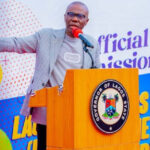
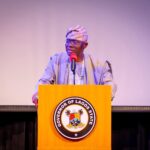
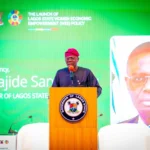
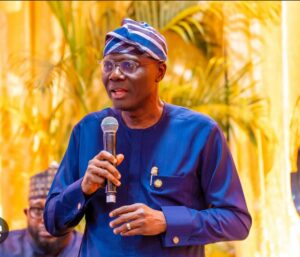
Lagos State Governor, Mr. Babajide Sanwo-Olu, has reaffirmed that effective and accountable governance remains the cornerstone for restoring public confidence and unlocking long-term prosperity in Nigeria, in alignment with the Federal Government’s Renewed Hope Agenda.
Governor Sanwo-Olu emphasized that strong institutions, clear policies, and disciplined implementation are essential to driving sustainable economic growth and social stability. According to him, governance is not merely about administration, but about delivering measurable outcomes that improve the quality of life for citizens and create an enabling environment for businesses and investors to thrive.
He noted that the Renewed Hope Agenda places governance at the heart of national development by prioritising economic reform, social inclusion, infrastructure development, and human capital investment. Sanwo-Olu stated that when governance is transparent, responsive, and people-centred, it builds trust between government and citizens, strengthens investor confidence, and lays the foundation for enduring prosperity.
The Governor highlighted Lagos State as a practical example of how focused governance can drive transformation. He cited sustained investments in transportation, housing, healthcare, education, and digital infrastructure as evidence of policies designed to support productivity, create jobs, and expand economic opportunity. He added that reforms in public finance management and service delivery have been critical to improving efficiency and accountability.
Sanwo-Olu further stressed the importance of collaboration across all levels of government, as well as partnerships with the private sector and civil society, to achieve shared development goals. He noted that complex economic and social challenges require coordinated action, innovation, and a long-term perspective.
Reaffirming Lagos State’s support for the Renewed Hope Agenda, the Governor assured that his administration will continue to align its policies and programmes with national priorities, while responding to the unique needs of Lagosians.
He concluded by stating that sustainable prosperity is built over time through consistent leadership, sound governance, and a commitment to inclusive growth—ensuring that progress is not only achieved, but felt by all segments of society.
About the Author