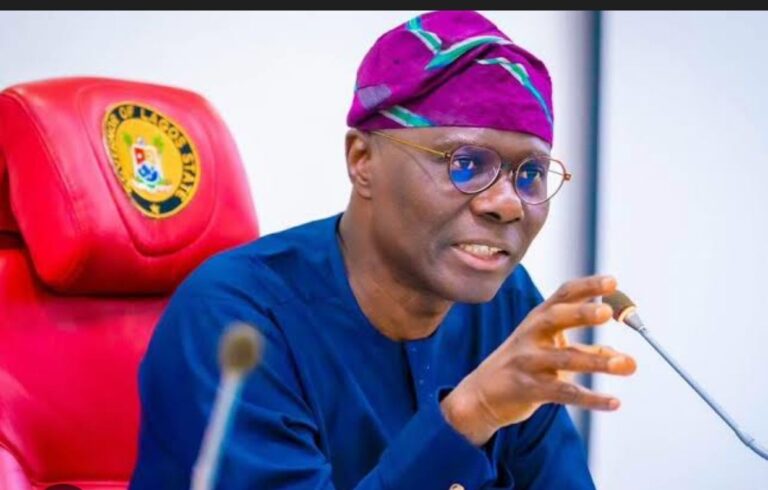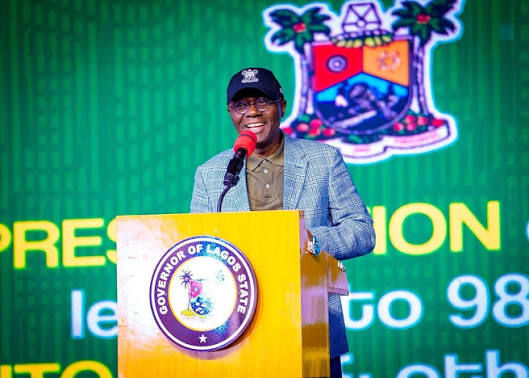


The Campaign for Dignity Governance has commended the signing of the 2026 Lagos State Appropriation Bill by His Excellency, Governor Babajide Sanwo-Olu, describing it as a major step forward for inclusive development and citizen-centred governance in Africa’s largest commercial centre.
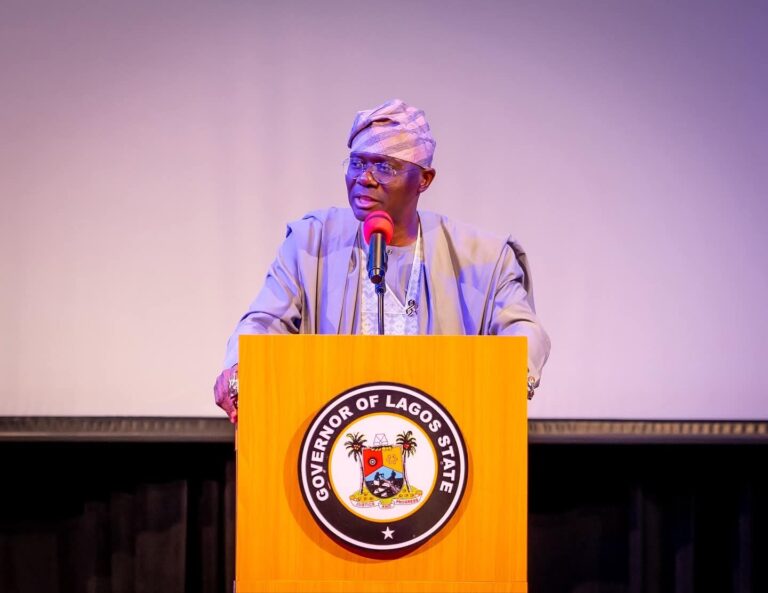
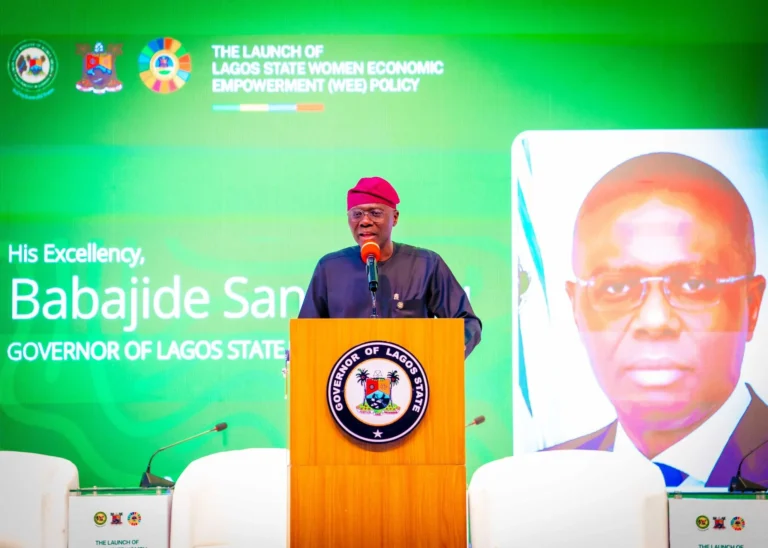
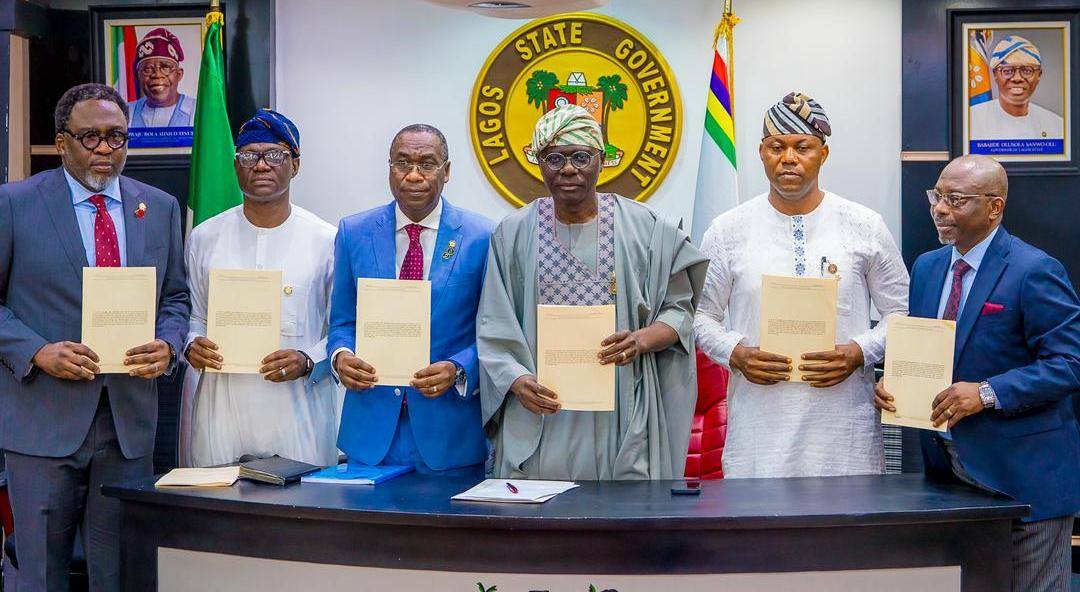
On Monday, January 19, 2026, at a well-attended ceremony at Lagos House, Alausa, Ikeja, Governor Sanwo-Olu approved the ₦4.45 trillion budget, officially tagged the “Budget of Shared Prosperity”. The ceremony was attended by the Deputy Governor, members of the State Executive Council, and representatives of the Lagos State House of Assembly.
This latest budget, approved by the Lagos State House of Assembly earlier in January, reflects solid planning and a clear focus on addressing critical needs such as education, healthcare, and infrastructure improvements for Lagosians across all divisions of the state. The total allocation represents a significant expansion from the earlier proposed figure of about ₦4.24 trillion, demonstrating legislative confidence in the state’s future development trajectory.
At the signing, Governor Sanwo-Olu thanked the Speaker and members of the Assembly for their partnership, noting that the increase from the initial proposal showed healthy collaboration and a shared commitment to improving the lives of the people of Lagos. He emphasised that the budget was designed to ensure every resident feels the impact of governance, regardless of their background or location in the state.
The “Budget of Shared Prosperity” is anchored on strategic priorities that reflect the state’s long-term development goals, including:
– Human-Centred Development: investments designed to improve quality of life, emphasising education, healthcare, and social support systems.
– Modern Infrastructure: significant capital allocations aimed at expanding roads, bridges, transport networks, and major public works.
– Thriving Economy: plans to boost economic growth by supporting businesses, enhancing job creation initiatives, and strengthening Lagos’ role as an investment hub.
– Effective Governance: a commitment to transparency, accountability, and efficient service delivery that builds public trust.
Official figures from legislative reports show that more than half of the budget is allocated to capital expenditures, underlining the administration’s priority for physical and social infrastructure that directly affects everyday life for Lagosians.
Civic leaders believe this budget signals a renewed focus on equity and opportunity for all Lagos residents. By prioritising areas that directly affect families, students, traders, commuters, and young professionals, the budget seeks to deliver tangible improvements in sectors such as education, transportation, and economic opportunities that most Nigerians interact with daily.
“This budget is not just about numbers on a page,” said Razaq Olokoba, convener of the Campaign for Dignity Governance. “It represents hope — hope for better schools, safer communities, improved infrastructure, and stronger economic opportunities for youths and families across Lagos.”
The organisations also highlighted the collaboration between the executive and legislative arms of government as a positive indicator of democratic practice, adding that inclusive budget processes help strengthen public confidence in governance.
As the state moves into implementation, stakeholders stress the importance of effective monitoring, transparency, and continued citizen engagement to ensure that the budget delivers on its promise. There is optimism that with responsible execution, the 2026 appropriation will lay a solid foundation for sustained economic growth, improved public services, and enhanced quality of life for Lagosians of all ages and backgrounds, fostering a more prosperous and inclusive society.
About the Author