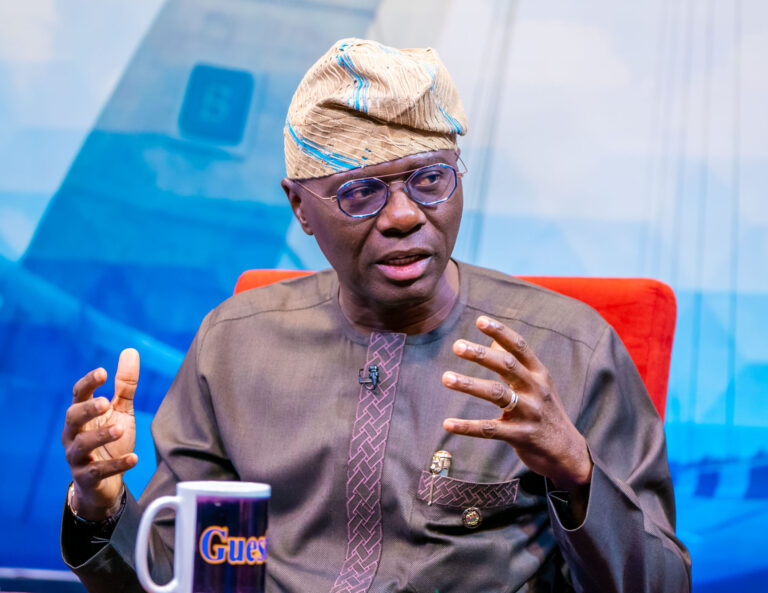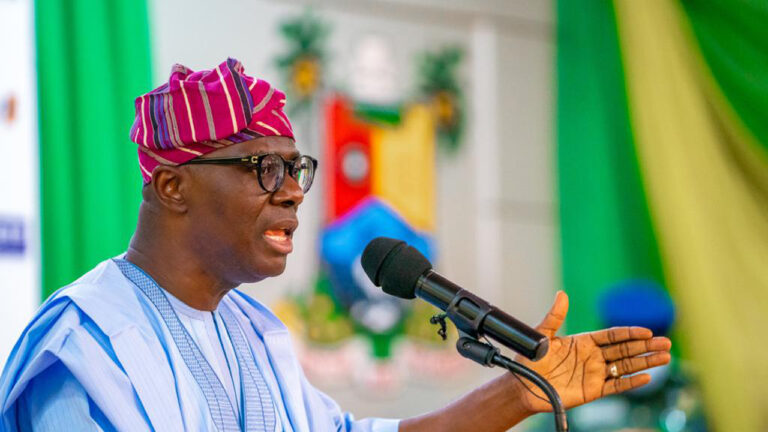





The Babajide Sanwo-Olu administration has intensified efforts to curb market abuses and eliminate the circulation of fake and substandard products across Lagos State. This move is part of a broader strategy to strengthen consumer protection and restore confidence in the state’s commercial environment.
Speaking on the development, government officials emphasized that unfair trade practices—such as the sale of counterfeit goods, price manipulation, and deceptive marketing—pose serious risks not only to consumers’ finances but also to their health and safety. The state noted that the growing presence of fake products in markets and online platforms has become a pressing concern requiring urgent and coordinated action.
To address these challenges, relevant regulatory agencies have been directed to increase surveillance activities in major markets and business districts. These efforts include routine inspections, enforcement of quality standards, and stricter penalties for offenders found engaging in illegal trade practices. Authorities are also collaborating with stakeholders, including traders’ associations and consumer rights groups, to promote ethical business conduct and raise awareness among residents.
The government stressed that protecting consumers is essential for building a resilient economy. According to officials, when people trust that goods and services meet acceptable standards, it encourages spending, supports legitimate businesses, and drives sustainable economic growth. Conversely, unchecked market abuses can erode trust, discourage investment, and harm honest entrepreneurs.
In addition to enforcement, the state is investing in public education campaigns to inform residents about their rights as consumers. Citizens are encouraged to report suspicious products and unfair treatment, as their participation is seen as vital in the fight against market exploitation.
Overall, the renewed crackdown signals Lagos State’s commitment to creating a safer and more transparent marketplace, where businesses operate fairly and consumers are adequately protected from harm.
The Babajide Sanwo-Olu administration has intensified efforts to curb market abuses and eliminate the circulation of fake and substandard products across Lagos State. This move is part of a broader strategy to strengthen consumer protection and restore confidence in the state’s commercial environment.
Speaking on the development, government officials emphasized that unfair trade practices—such as the sale of counterfeit goods, price manipulation, and deceptive marketing—pose serious risks not only to consumers’ finances but also to their health and safety. The state noted that the growing presence of fake products in markets and online platforms has become a pressing concern requiring urgent and coordinated action.
To address these challenges, relevant regulatory agencies have been directed to increase surveillance activities in major markets and business districts. These efforts include routine inspections, enforcement of quality standards, and stricter penalties for offenders found engaging in illegal trade practices. Authorities are also collaborating with stakeholders, including traders’ associations and consumer rights groups, to promote ethical business conduct and raise awareness among residents.
The government stressed that protecting consumers is essential for building a resilient economy. According to officials, when people trust that goods and services meet acceptable standards, it encourages spending, supports legitimate businesses, and drives sustainable economic growth. Conversely, unchecked market abuses can erode trust, discourage investment, and harm honest entrepreneurs.
In addition to enforcement, the state is investing in public education campaigns to inform residents about their rights as consumers. Citizens are encouraged to report suspicious products and unfair treatment, as their participation is seen as vital in the fight against market exploitation.
Overall, the renewed crackdown signals Lagos State’s commitment to creating a safer and more transparent marketplace, where businesses operate fairly and consumers are adequately protected from harm.
About the Author