


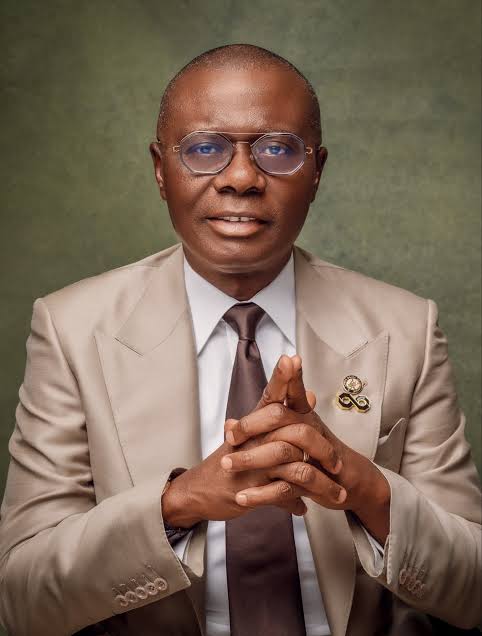
Group highlights electricity expansion, road infrastructure and the need for transparent implementation across communities
The Campaign for Dignity in Governance has highlighted the importance of sustained investment in Lagos State’s infrastructure, noting that dependable electricity, functional roads and efficient public services are essential to the state’s economic growth and residents’ quality of life.
In a proposed statement reviewing recent developments under Governor Babajide Sanwo-Olu, the group recognised ongoing efforts to address electricity supply challenges and improve infrastructure while emphasising the importance of implementation, transparency and measurable public benefits.
One of the latest developments is the collaboration between the Federal Government and Lagos State Government under the 24/7 Energy Zones pilot. The Federal Ministry of Information and National Orientation reported on October 7 that Lagos had been identified as the first corridor under the initiative, which is intended to improve electricity supply to households, businesses and industries.
The Campaign for Dignity in Governance noted that the collaboration provides an important framework for addressing electricity challenges in one of Nigeria’s major commercial centres. It stressed, however, that the ultimate measure of success will be the reliability and affordability of electricity experienced by residents and businesses.
A TARGET FOR EXPANDING ELECTRICITY SUPPLY
On October 11, Premium Times reported that Sanwo-Olu had announced a target of increasing electricity supply in Lagos to more than 3,000 megawatts by March 2027, from a reported level of less than 1,000 megawatts.
The report stated that the proposed increase would involve a combination of electricity from the national grid, independent power projects, energy hubs, power barges, energy traders and embedded generation.
The group said this target is one residents can follow through regular progress updates and independently verifiable supply figures. Reliable power can help businesses manage operating costs, improve services and plan for expansion, while also supporting schools, healthcare facilities and other essential institutions.
INFRASTRUCTURE AND THE RIGHTS OF RESIDENTS
Beyond electricity, the state’s development agenda includes roads and other public infrastructure intended to improve connectivity and support economic activity.
The Campaign for Dignity in Governance noted that infrastructure development should also protect the rights and interests of residents affected by construction, land acquisition and redevelopment. Timely communication, transparent valuation and fair compensation are important elements of responsible public administration.
The group also highlighted the need for consistent attention to drainage, waste management, flooding, housing and transport, which remain important concerns in a densely populated state.
RECOGNITION MUST GO WITH ACCOUNTABILITY
The Campaign for Dignity in Governance said that acknowledging government initiatives and demanding accountability are not opposing positions. Both are necessary to ensure that public investment delivers value.
It called for clear timelines, transparent expenditure reporting and public updates that explain what has been completed, what remains outstanding and how residents will benefit.
The group further stressed that development should reach communities across Lagos, rather than being measured solely by major projects or headline announcements.
As Sanwo-Olu’s administration continues its infrastructure programme, the Campaign for Dignity in Governance said the central priority should be converting policy commitments into reliable services and lasting improvements in residents’ lives.
For Lagos, progress will ultimately be reflected in electricity that businesses can depend on, roads that improve mobility, infrastructure that withstands environmental pressures and public services that respond to the needs of communities throughout the state.
About the Author