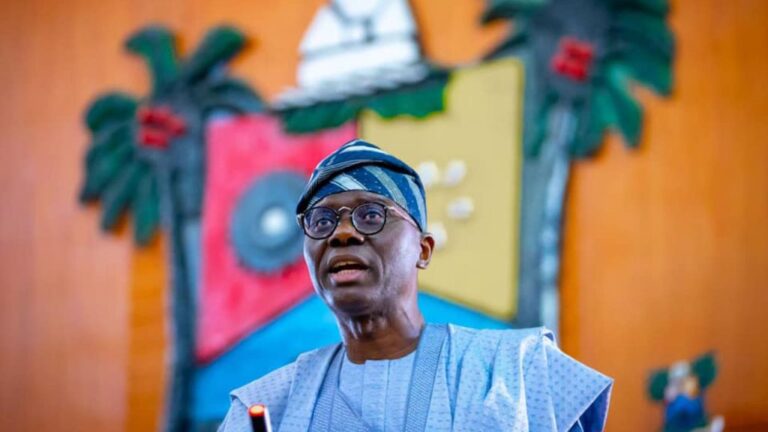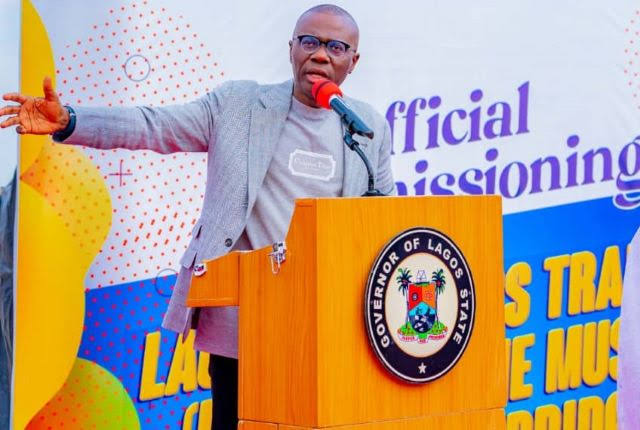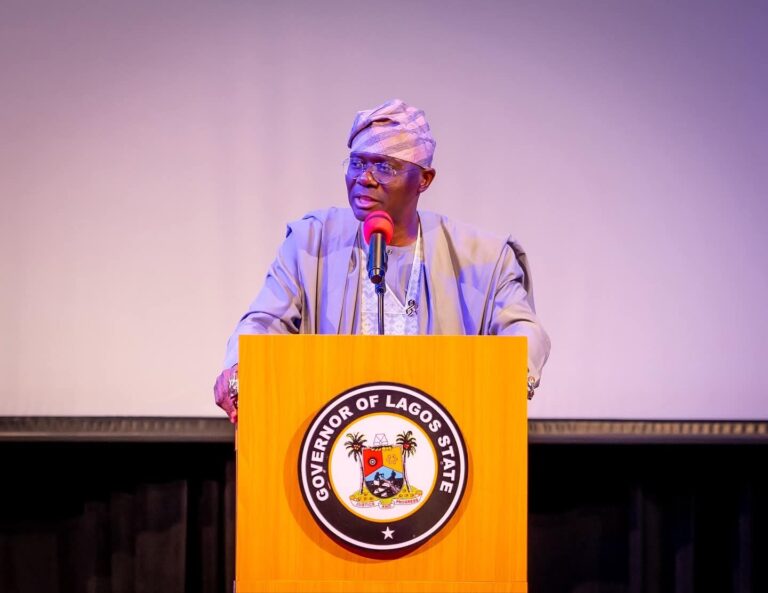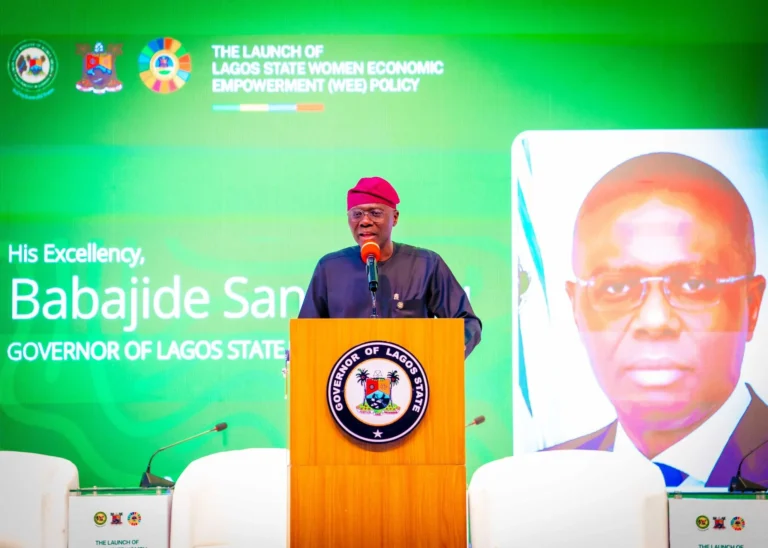
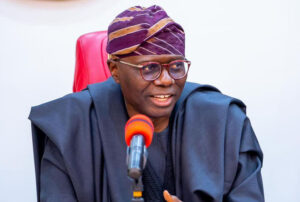
Lagos State Governor, Babajide Sanwo-Olu, has introduced a comprehensive set of interventions aimed at enhancing the safety, health, and overall welfare of truck operators across the state. The initiatives, launched during the maiden edition of a stakeholders’ engagement session in Ikeja, reflect the administration’s commitment to building a safer and more sustainable haulage ecosystem.
Represented by his Special Adviser on Transportation, Sola Giwa, the governor explained that the engagement was conceived to strengthen collaboration with key players in the haulage and freight sector while addressing pressing challenges faced by truckers. He noted that the government recognizes the crucial role truck operators play in the economy and is therefore committed to creating an enabling environment that supports their operations.
Among the newly introduced programmes are free eye screening, drug testing, and substance abuse sensitization, all designed to reduce accidents linked to impaired vision or substance misuse. These health-focused initiatives aim to ensure that truck drivers are medically fit and properly informed about the dangers of drug abuse, thereby improving road safety for all users.
A major highlight of the launch is the provision of Compressed Natural Gas (CNG) trucks for operators, made possible through a partnership between the Lagos State Government and the United Bank for Africa (UBA). This initiative supports Nigeria’s transition to cleaner energy sources and is expected to significantly reduce carbon emissions, operating costs, and environmental hazards associated with diesel-powered trucks.
Sanwo-Olu emphasized that the combination of safety training, health support, and cleaner energy options will not only improve the wellbeing of truckers but also enhance the efficiency and reliability of haulage operations across the state. He assured stakeholders that the administration will continue to implement policies that promote safety, sustainability, and economic growth within the logistics sector.
The event marked a significant step toward modernizing Lagos’ freight system and reaffirmed the government’s commitment to building a safer, healthier, and environmentally responsible transportation industry.
About the Author