


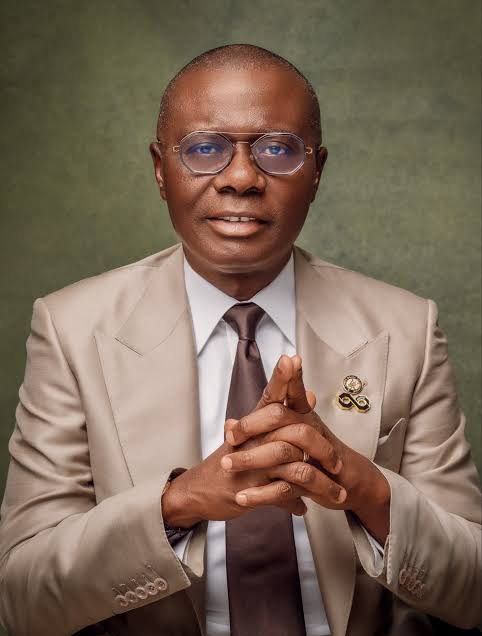
Lagos State Governor, Babajide Sanwo-Olu, has reaffirmed his administration’s commitment to promoting peaceful coexistence, religious tolerance and inclusiveness across the state.
The governor made this known while receiving the Supreme Council of the Order of the Knights of St. Mulumba Nigeria at Lagos House, Marina.
The delegation was led by the Supreme Knight, Sir Steve Adehi, who was accompanied by members of the organisation’s Executive Board ahead of the first anniversary of his leadership.
Sanwo-Olu commended the organisation for its contributions to society, particularly its efforts to support vulnerable individuals and provide assistance to people facing difficult circumstances.
He noted that organisations such as the Knights of St. Mulumba play important roles in strengthening communities through humanitarian services, compassion and commitment to the welfare of others.
The governor also expressed concern over the growing challenges of religious intolerance, ethnic divisions and bigotry, stressing the need for individuals and organisations to work together in promoting peace, understanding and mutual respect.
According to him, Lagos remains a diverse and dynamic city where people from different ethnic, religious and cultural backgrounds live and work together, making peaceful coexistence essential to its continued development.
He assured the delegation that his administration would continue to explore practical ways of addressing the needs of residents while welcoming partnerships with organisations that share the government’s commitment to humanity and social development.
Sanwo-Olu further emphasised that his government values collaborations built around compassion, inclusion, service to humanity and peaceful coexistence.
He appreciated the Knights of St. Mulumba for their contributions to the well-being of society and expressed optimism about strengthening the relationship between the organisation and the Lagos State Government.
The governor reiterated his administration’s determination to build a Lagos where every resident, regardless of religious or ethnic background, feels valued, respected and included in the state’s development process.
About the Author