

 President Bola Ahmed Tinubu has overseen the commissioning of several major infrastructure projects in Lagos, marking a significant milestone in the state’s ongoing urban development drive. The projects, executed under the administration of Governor Babajide Sanwo-Olu, are designed to improve connectivity, enhance public services, and stimulate economic growth across Nigeria’s commercial capital.
Among the key projects unveiled is the Ojota–Opebi Link Bridge, a strategic transport corridor expected to ease traffic congestion in some of Lagos’ busiest districts, including Ojota, Maryland, Opebi, and Allen. For years, commuters in these areas have faced long travel times due to poor connectivity, but the new bridge is set to significantly reduce travel stress and improve mobility.
In addition to transport infrastructure, the commissioning exercise also featured modern public facilities such as a multi-agency administrative complex and upgraded educational institutions. Notably, the Tolu Schools Complex in Ajegunle was highlighted as a major investment in the education sector, providing improved learning environments for students in densely populated communities. A newly developed food hub in Abijo was also showcased, aimed at strengthening food security and supporting agricultural distribution within the state.
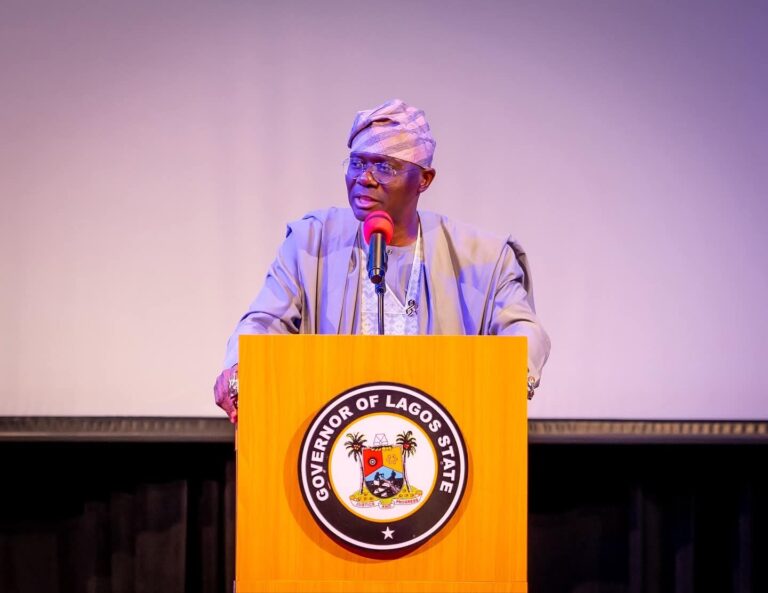
Speaking during the events, President Tinubu commended the Lagos State Government for its commitment to delivering impactful and people-oriented projects. He emphasized that infrastructure development remains central to economic expansion, job creation, and overall national progress. Tinubu noted that Lagos continues to set the pace for other states through its strategic planning and consistent execution of large-scale projects.
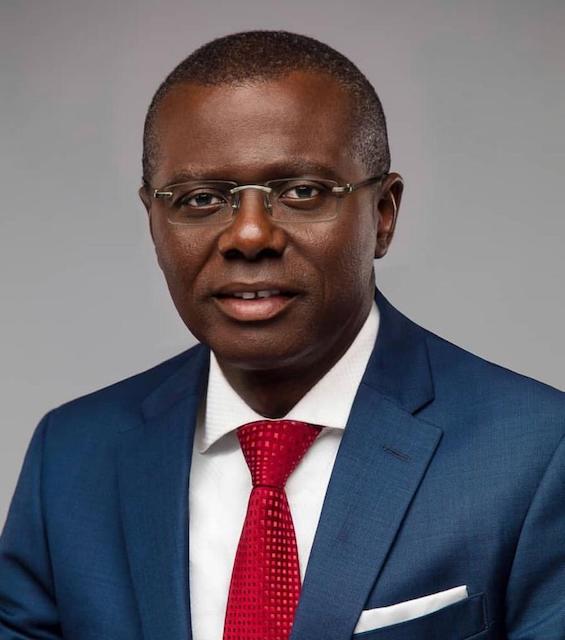
Governor Sanwo-Olu, on his part, described the projects as part of a broader vision to transform Lagos into a more livable, resilient, and globally competitive city. He reiterated his administration’s focus on sustainable urban development, efficient transportation systems, and improved social infrastructure.
The commissioning ceremonies attracted top government officials, traditional leaders, and stakeholders from various sectors, reflecting the importance of the projects to the state’s future. Residents have also expressed optimism that these developments will bring lasting relief to daily challenges, particularly in transportation and access to essential services.
Overall, the newly commissioned projects underscore the continued collaboration between the federal government and Lagos State, reinforcing a shared commitment to development and improved quality of life for citizens.
About the Author