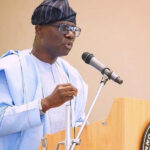


Lagos State Governor, Babajide Sanwo-Olu, has defended the Federal Government’s decision to remove the fuel subsidy, describing the policy as a difficult but necessary step towards addressing Nigeria’s economic challenges and securing the country’s long-term future.
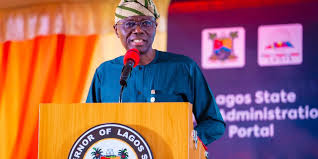
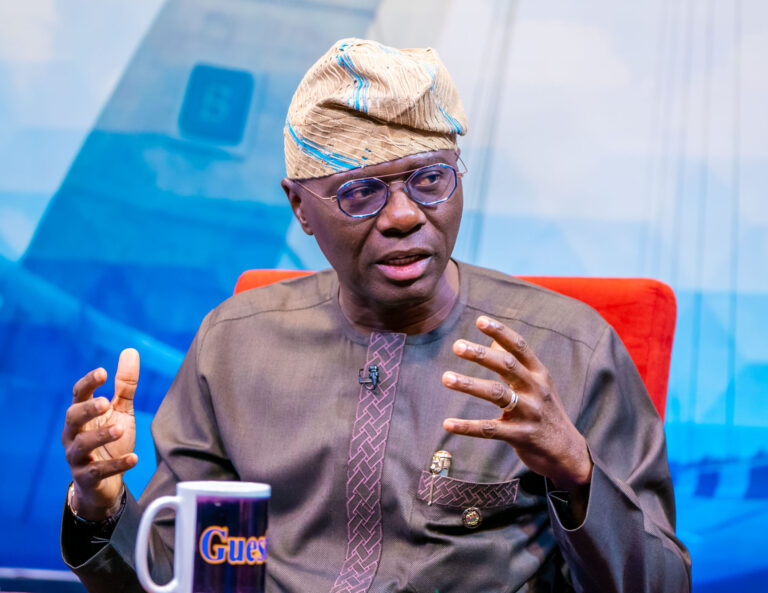
Sanwo-Olu made the remarks while speaking at the 7th Freedom Online Newspaper Lecture, where he discussed the state of Nigeria’s economy, security situation and the country’s outlook as the nation approaches the 2027 general elections.
The Governor acknowledged that the removal of the fuel subsidy had imposed significant hardships on Nigerians but argued that continuing to fund the subsidy was no longer sustainable. He said the policy had consumed substantial public resources that could otherwise have been invested in critical sectors such as healthcare, education and infrastructure.
According to him, proposals to restore the subsidy would amount to poor economic and political decision-making, warning that such a move could reverse the gains being recorded from ongoing reforms.
Sanwo-Olu said there were already indications that the difficult economic decisions were beginning to produce positive results. He highlighted the reported growth of the Nigerian economy by 4.43 per cent, foreign reserves reaching $53 billion and increased monthly allocations to state governments.
He noted that the increased revenue available to subnational governments would enable them to invest more in infrastructure and development projects that directly benefit citizens and local communities.
The Governor also highlighted progress in the country’s security efforts, alongside initiatives targeted at empowering young Nigerians through student loans, technology skills training and employment programmes.
Sanwo-Olu acknowledged that meaningful economic transformation would not happen overnight, stressing that the government must remain committed to reforms despite the immediate challenges.
He expressed optimism that sustained implementation of the reforms would ultimately create a stronger economy, improve opportunities for young people and position Lagos and Nigeria on a more sustainable path to development.
About the Author