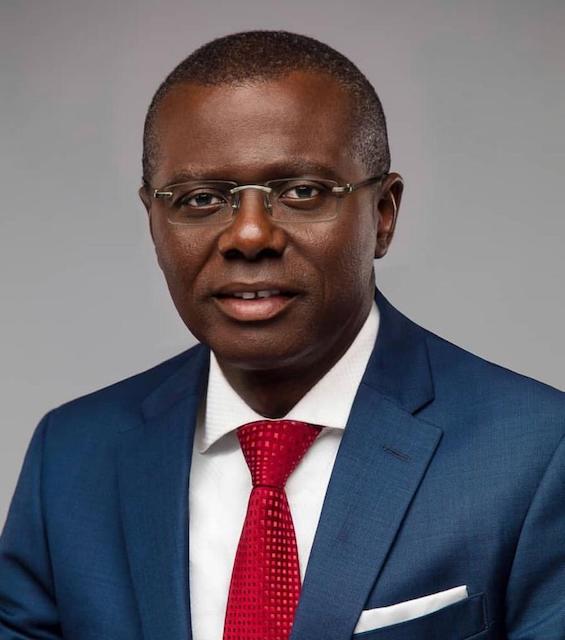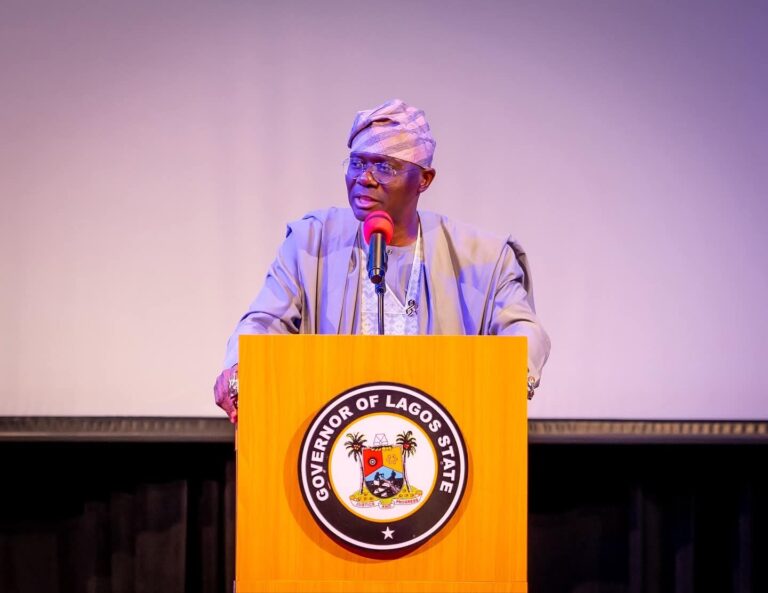



The Campaign for Dignity Governance has commended the Lagos State Governor, Babajide Sanwo-Olu, for the successful approval and distribution of provisional allocation letters to traders affected by the ongoing redevelopment of the Alaba Transnational Market, widely known as Alaba Rago Market.
The allocation exercise, which was officially conducted in March 2026 at the Lagos State Building Control Agency (LASBCA) headquarters in Ikeja, saw 180 traders receive formal documentation confirming their placement in the newly planned and upgraded market structure. This development marks a significant milestone in the state’s ongoing urban renewal programme, particularly along the Lagos-Badagry Expressway corridor in Ojo Local Government Area.
In a detailed statement released in Lagos, the Convener of the group, Razaq Olokoba, described the initiative as a strong example of governance that prioritises both development and human welfare. He noted that while infrastructure transformation is essential for a growing megacity like Lagos, such efforts must always be balanced with deliberate measures to protect the livelihoods of citizens affected by these changes.
According to Olokoba, one of the major challenges associated with urban redevelopment projects is the displacement of small-scale traders and business owners, many of whom depend on daily commercial activities for survival. He stressed that failure to properly resettle such individuals can lead to economic disruption, social tension, and loss of trust in government processes.
“The approach taken by the Sanwo-Olu administration in this instance demonstrates a clear understanding of inclusive governance. By ensuring that affected traders are not only considered but properly reintegrated into the new system, the government has shown that development can be both progressive and humane,” he stated.
The redevelopment of the Alaba Rago Market is part of a broader effort by the Lagos State Government to modernise public markets, improve environmental standards, enhance safety, and reduce congestion in key commercial zones. Over the years, the market has served as a major hub for trade, particularly for food items and livestock, attracting traders and buyers from within and outside Lagos State.
Olokoba noted that the transformation of such a critical commercial centre into a more organised and structured environment will have far-reaching benefits for both traders and consumers. He explained that modern market infrastructure typically includes better drainage systems, waste management facilities, improved layout planning, and enhanced security measures.
“When markets are properly organised, the impact goes beyond aesthetics. It improves hygiene, enhances safety, reduces fire risks, and creates a more conducive environment for business transactions. Ultimately, it increases productivity and boosts income for traders,” he added.
He further emphasised that the issuance of allocation letters provides a sense of security and stability for beneficiaries. With official confirmation of their new spaces, traders are able to plan ahead, maintain customer relationships, and continue contributing to the local economy without prolonged uncertainty.
The Campaign for Dignity Governance also commended the transparency demonstrated in the allocation process, noting that public distribution of allocation letters helps build confidence in governance systems. It ensures that beneficiaries are properly identified and that the process is seen as fair and credible.
Olokoba pointed out that trust between government and citizens is a critical component of successful policy implementation, especially in urban development projects that directly affect livelihoods.
The group further highlighted the economic significance of the Alaba Rago corridor, noting that improvements in the area will not only benefit traders but also enhance movement along the Lagos-Badagry Expressway, which serves as a major transportation route linking Lagos to neighbouring regions.
Beyond the immediate impact, Olokoba stated that the initiative reflects a broader vision of structured urban growth in Lagos, where informal systems are gradually transformed into more organised and sustainable frameworks.
He urged the state government to continue adopting this inclusive approach in other redevelopment projects across the state, particularly in densely populated commercial areas where similar challenges may arise.
“Urban renewal must not come at the expense of the people. What we are seeing here is a model that other states can learn from — a model where development is balanced with compassion, planning, and responsibility,” he concluded.
About the Author