
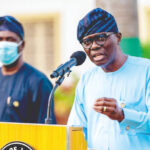
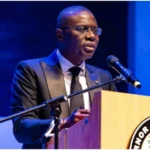
 Governor Babajide Sanwo-Olu has outlined the key structures and systems his administration is putting in place to ensure that the next leadership in Lagos inherits a stable and well-organized government.
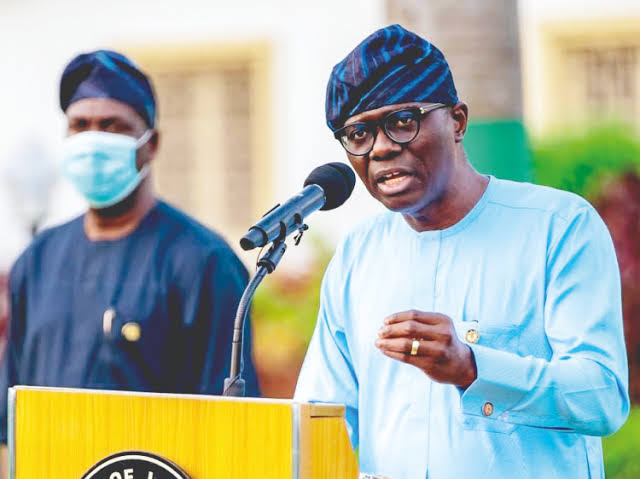
Speaking at a recent state function, the governor emphasized that his administration is focused on building enduring institutions rather than pursuing short-term or personality-driven projects. According to him, the goal is to create a governance model that will remain effective regardless of changes in political leadership.
Sanwo-Olu revealed that a major step toward achieving this is the proposed “Legacy and Transition Bill,” which is designed to institutionalize policies, reforms, and ongoing projects. The bill aims to ensure that successive administrations continue key developmental initiatives instead of abandoning them midway, a challenge that has affected governance in many parts of the country.
He explained that Lagos, being Nigeria’s economic nerve centre, requires consistency in policy implementation to sustain growth and maintain investor confidence. By embedding reforms into law, the state government hopes to create a seamless transition process that allows the next governor to build on existing achievements without unnecessary disruption.
The governor also highlighted several sectors where strong foundations have already been laid. These include transportation, with ongoing rail and road projects; healthcare, with improvements in facilities and access; and education, with investments in infrastructure and human capital development. He noted that these efforts are part of a broader strategy to position Lagos for long-term prosperity.
Sanwo-Olu stressed that governance should not revolve around individuals but around systems that work efficiently over time. He added that continuity is critical for a megacity like Lagos, where development plans often span multiple years and administrations.
Lawmakers and stakeholders present at the event commended the initiative, noting that such forward-thinking policies would help protect public investments and ensure that resources are used effectively. They expressed support for measures that promote accountability, transparency, and sustained development.
In his closing remarks, the governor reaffirmed his administration’s commitment to leaving behind a legacy of strong institutions, completed projects, and clear policy direction. He expressed confidence that the next governor will inherit not just physical infrastructure, but also a robust governance framework capable of driving continued growth and development in Lagos.
About the Author