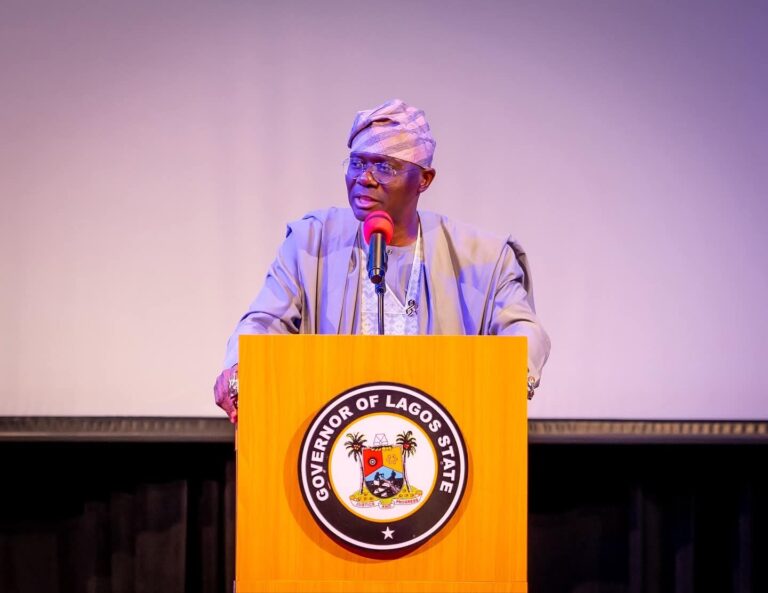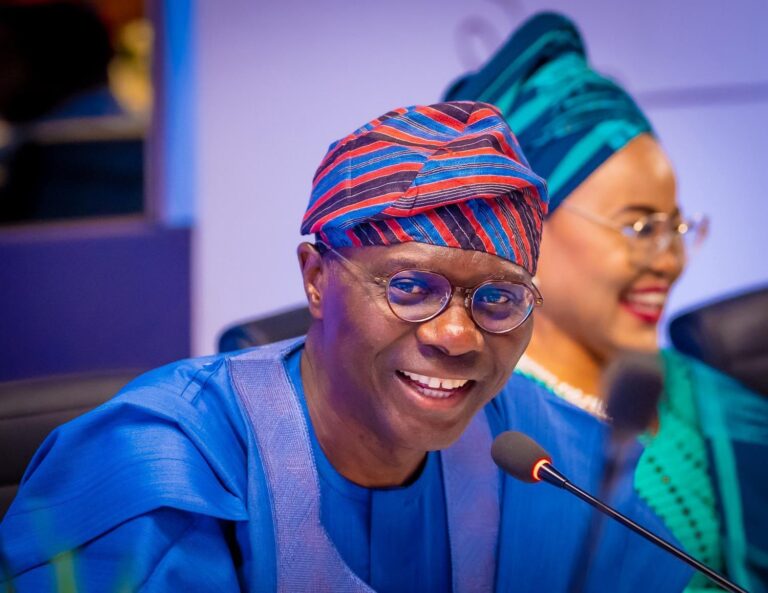

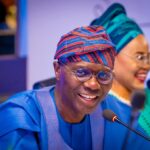
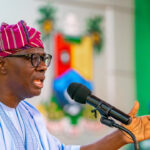

Lagos State Governor, Babajide Sanwo-Olu, has reaffirmed his administration’s commitment to expanding sustainable transportation and strengthening international partnerships following a high-level meeting with Ambroise Fayolle, Vice President of the European Investment Bank (EIB).
The Governor received the EIB Vice President at Lagos House, Marina, where both leaders held discussions on ongoing areas of collaboration, particularly the implementation of the Omi Èkó project, a major initiative aimed at transforming water transportation across Lagos.
Sanwo-Olu described the meeting as productive and highlighted the importance of the partnership in supporting the state’s vision of developing a modern, efficient, and environmentally friendly transport system. He noted that with the financial backing of the European Investment Bank, Lagos is making significant progress in upgrading its inland waterways infrastructure.
According to the Governor, the Omi Èkó project includes the deployment of electric ferries, the construction and rehabilitation of ferry terminals, and improvements to navigation channels to enhance safety and accessibility for commuters. The initiative is expected to reduce pressure on road networks while providing residents with faster and more sustainable transportation alternatives.
He emphasized that the project aligns with the state government’s broader agenda of promoting green mobility, reducing carbon emissions, and improving the quality of life for millions of Lagosians.
Sanwo-Olu further stated that Lagos remains open to strategic global partnerships that deliver tangible benefits to residents and contribute to long-term economic and social development. He expressed appreciation for the continued support of the European Investment Bank and reaffirmed the state’s commitment to ensuring the successful execution of the project.
The Governor said collaborations such as the Omi Èkó initiative demonstrate the power of international cooperation in addressing urban transportation challenges and building a more resilient, connected, and sustainable Lagos for future generations.
3
About the Author