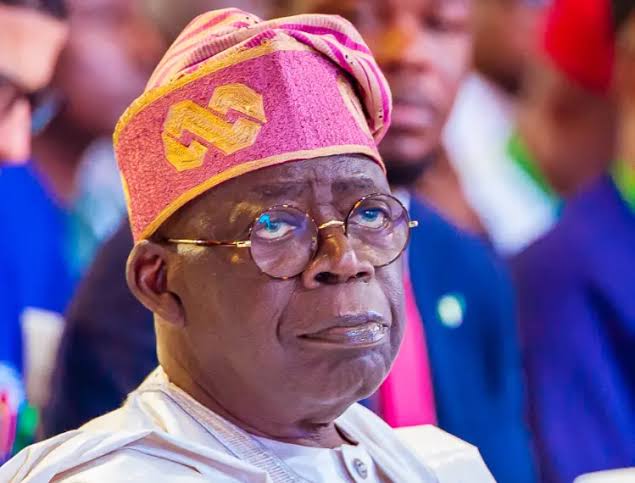


The All Progressives Congress (APC) has expanded the structure of President Bola Tinubu’s 2027 presidential campaign by creating additional directorates to strengthen coordination, mobilisation and nationwide engagement ahead of the next general election.
The expanded campaign structure introduces new directorates covering election planning, infrastructure, health, youth mobilisation, new media and several professional and economic sectors. The development reflects the ruling party’s efforts to broaden its organisational capacity and consolidate support for Tinubu’s re-election bid.
The appointments were contained in a supplementary document signed by the APC National Secretary, Senator Surajudeen Ajibola Basiru.
According to the report, the expanded arrangement brings together a broad range of political stakeholders and influential figures, including party chieftains, former public office holders, professionals, entertainers, religious leaders and representatives of various interest groups.
The new directorates are expected to play important roles in coordinating campaign activities, developing strategies and strengthening the party’s outreach across the country.
The inclusion of youth mobilisation and new media reflects the growing importance of engaging younger Nigerians and using digital platforms to communicate campaign messages, connect with supporters and promote the party’s agenda.
Similarly, the directorates focused on infrastructure, health and other professional and economic sectors are expected to provide specialised coordination in areas considered important to national development and public engagement.
The expansion also provides an avenue for different groups and stakeholders to participate in the campaign, with the aim of building a broader support base for the President ahead of the 2027 presidential election.
The APC’s latest move comes as political parties and their supporters begin preparations for the next electoral cycle.
With the additional directorates, the ruling party is seeking to strengthen its campaign machinery and improve coordination among its members and supporters nationwide.
However, the effectiveness of the expanded structure will depend on how well the appointed officials coordinate their responsibilities and translate the campaign’s objectives into effective grassroots mobilisation and public engagement.
About the Author