




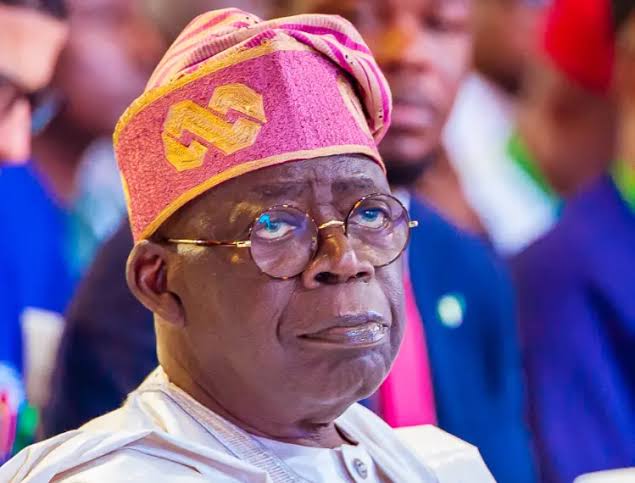
President Bola Tinubu has revised the Federal Government’s proposed external borrowing plan for 2026, seeking Senate approval for a fresh $7.7 billion loan to partly finance the country’s budget deficit.
The revised request, valued at approximately N10.79 trillion using the budget exchange rate of N1,400 to the dollar, replaces an earlier proposal seeking approval for $20.52 billion and €1.045 billion in external loans.
The development was disclosed on Wednesday when Senate President Godswill Akpabio read a fresh letter from President Tinubu during plenary. The letter, dated October 26, 2026, formally sought legislative authorisation for the government to implement the external borrowing component of the 2026 Appropriation Act.
According to the President, the proposed borrowing forms part of the N29.2 trillion new borrowing provision in the 2026 budget, which is intended to finance a projected fiscal deficit. The arrangement comprises N18.4 trillion in domestic borrowing and N10.79 trillion in external financing.
Tinubu explained that the funds would support critical projects and programmes across key sectors, including defence and security, transportation, agriculture, power, education and healthcare.
He also disclosed that the government would explore multiple financing options, including Eurobond issuance and loans from multilateral and bilateral institutions. However, he indicated that greater emphasis would be placed on Eurobonds because of their relatively faster processing and potential to secure substantial funding.
The President further argued that the borrowing would strengthen Nigeria’s external reserves and provide additional support for exchange-rate stability.
Following the presentation of the letter, Akpabio referred the request to the Senate Committee on Local and Foreign Debts for further legislative scrutiny and directed the committee to report back as soon as practicable.
Meanwhile, former Vice-President Atiku Abubakar criticised the proposed borrowing, questioning the government’s continued dependence on foreign loans and demanding greater transparency regarding repayment terms and project allocations.
The revised proposal comes amid growing public concerns over Nigeria’s rising debt profile and the increasing cost of servicing government obligations.
About the Author