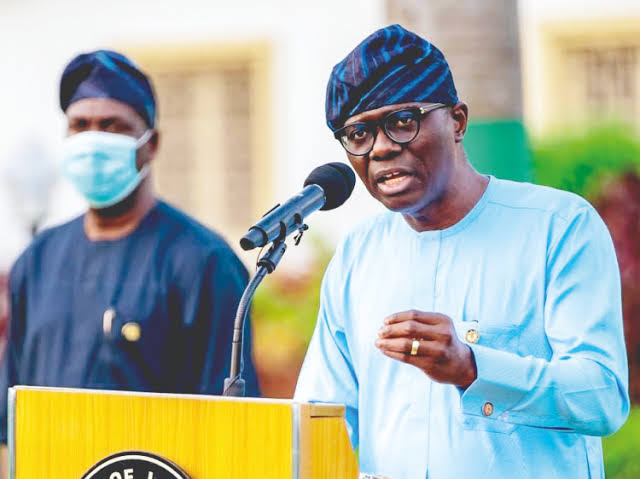




 The Lagos State Government has intensified efforts to promote renewable energy adoption as part of a broader strategy to address persistent electricity challenges and build a more sustainable urban environment. The initiative, championed by Governor Babajide Sanwo-Olu, reflects a growing commitment to reducing dependence on fossil fuels and improving energy access across Africa’s largest city.
At the heart of the plan is a large-scale transition to solar power, with the government targeting the deployment of thousands of solar home systems in the first phase. The project is designed to provide reliable and clean energy to households, particularly in underserved communities that experience frequent power outages. By expanding access to solar solutions, the state aims to reduce reliance on diesel and petrol generators, which are not only expensive to operate but also harmful to the environment.
Officials say the renewable energy push will extend beyond residential areas to include public institutions. Government facilities, including administrative offices and media establishments, are already being equipped with solar systems to cut operational costs and demonstrate the viability of clean energy alternatives. This move is expected to set a precedent for private sector participation and encourage wider adoption of renewable technologies.
The initiative also aligns with Lagos’ long-term climate and economic goals. Authorities note that embracing renewable energy will help reduce carbon emissions, improve air quality, and create new opportunities in the green economy. From solar installation and maintenance to energy innovation, the sector is projected to generate employment while supporting sustainable development.
In addition, the government is exploring partnerships with investors and energy companies to scale up the initiative and ensure its long-term success. These collaborations are expected to bring in technical expertise, funding, and innovative solutions that can accelerate the transition to cleaner energy sources.
Stakeholders have welcomed the move, describing it as a timely response to Nigeria’s ongoing power supply challenges. Analysts believe that if effectively implemented, the renewable energy drive could significantly transform Lagos’ energy landscape, making it more resilient and environmentally friendly.
Overall, the push for renewable energy adoption underscores the determination of the Lagos State Government to embrace forward-thinking solutions that balance economic growth with environmental sustainability, positioning the state as a leader in clean energy innovation in Nigeria.
About the Author