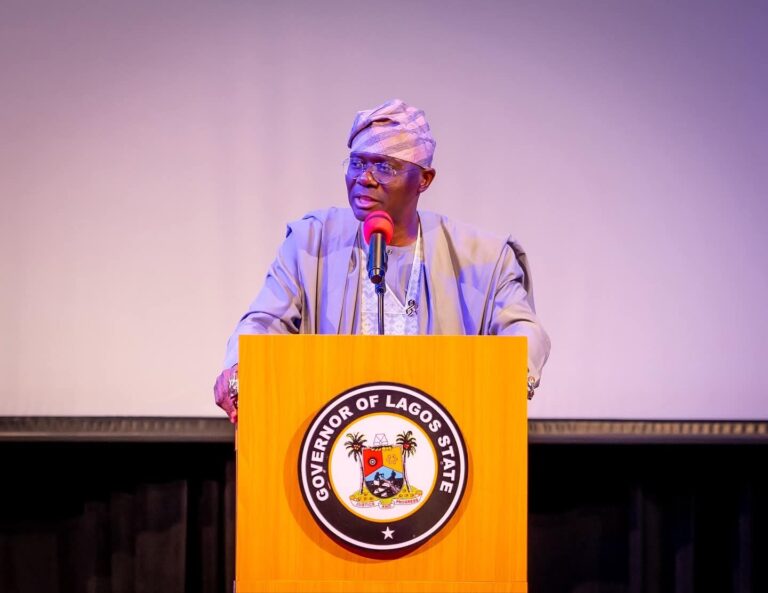


 Governor Babajide Sanwo-Olu has called on state governments across Nigeria to grant full operational independence to their revenue-generating agencies, stressing that such autonomy is critical to improving efficiency and boosting internally generated revenue.
Speaking at a national fiscal policy forum, the governor highlighted the success of Lagos State Internal Revenue Service (LIRS) as a model for other states to emulate. He explained that Lagos has achieved remarkable growth in its revenue base largely due to reforms that allow the agency to operate with a high degree of professionalism, transparency, and minimal political interference.
According to Sanwo-Olu, granting independence to revenue agencies enables them to focus on long-term strategies, adopt modern technology, and improve tax administration processes. He noted that when agencies are shielded from undue influence, they are better positioned to enforce compliance, expand the tax net, and deliver sustainable income for government operations.
The governor pointed out that Lagos, as Nigeria’s commercial hub, has consistently relied on internally generated revenue to fund a significant portion of its budget. He said this approach has reduced the state’s dependence on federal allocations and provided greater financial stability, allowing for consistent investment in infrastructure, healthcare, education, and other critical sectors.
Sanwo-Olu urged other governors to adopt similar reforms, emphasizing that a strong and independent revenue system is essential for economic resilience, especially in the face of fluctuating oil revenues. He added that empowering tax agencies would also enhance accountability, as clearly defined structures make it easier to track revenue collection and utilization.
He further stressed the importance of public trust in tax administration, noting that citizens are more willing to comply when they see transparency and tangible results from government spending. By strengthening institutions and promoting good governance, states can create a more sustainable fiscal environment.
Stakeholders at the forum, including policymakers and financial experts, supported the governor’s position, describing it as a practical step toward improving Nigeria’s overall fiscal health. They agreed that institutional reforms in revenue generation are necessary to meet the growing demands of development across states.
In conclusion, Sanwo-Olu reiterated that the future of state economies in Nigeria lies in their ability to generate and manage resources effectively. He expressed confidence that with the right policies in place, states can achieve greater financial independence and accelerate development for the benefit of their citizens.
About the Author