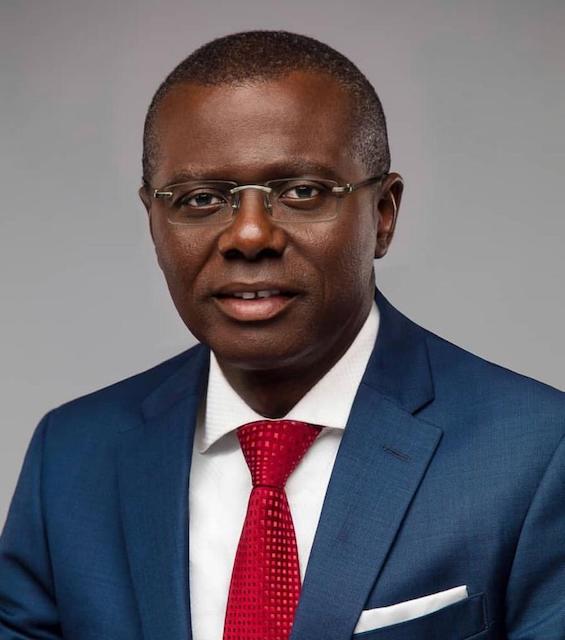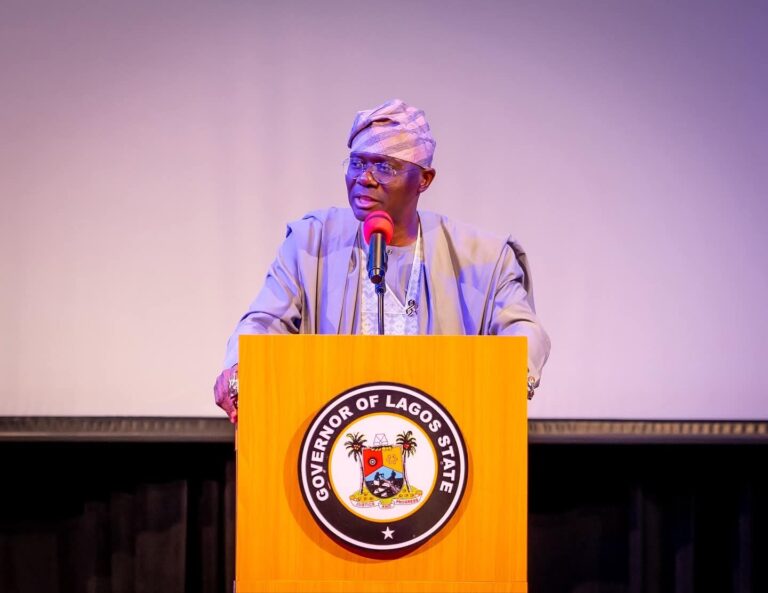


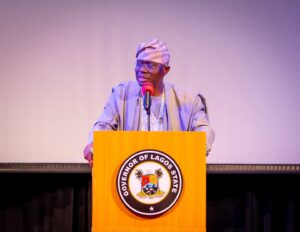
 The Lagos State Government has renewed its commitment to inclusive urban development, with Governor Babajide Sanwo-Olu emphasizing the need for growth that benefits all residents, regardless of their socio-economic status or location within the state.
Speaking during a recent engagement on urban planning and sustainability, the governor highlighted that as Lagos continues to expand as one of Africa’s fastest-growing megacities, it is crucial to adopt development strategies that are both inclusive and forward-looking. He noted that rapid population growth and urbanisation have placed increasing pressure on housing, transportation, and basic infrastructure, making it necessary for the government to take deliberate and balanced action.
Central to this vision is the promotion of equitable access to essential services such as affordable housing, efficient transportation systems, healthcare, and education. The administration has been working on policies that aim to reduce disparities between high-income and low-income communities, ensuring that development is not concentrated in only a few parts of the state.
Sanwo-Olu stressed that inclusive urban development is not just about physical infrastructure but also about improving the overall quality of life for residents. This includes creating safer communities, expanding economic opportunities, and supporting small businesses that form the backbone of the local economy. He added that empowering communities through job creation and skills development is key to sustaining long-term growth.
In line with this agenda, the government has continued to invest in road networks, public transportation, and urban renewal projects, particularly in underserved areas. These efforts are designed to improve connectivity, reduce travel time, and enhance productivity across the state. At the same time, there is a growing focus on sustainability, with initiatives aimed at promoting cleaner environments and more efficient use of resources.
Urban development experts have commended the approach, noting that Lagos is setting an example for other rapidly growing cities in Africa. By prioritizing inclusivity, the state is working to prevent the widening of inequality that often accompanies urban expansion.
Residents have also expressed cautious optimism, acknowledging ongoing improvements while calling for consistent implementation and community involvement in decision-making processes. Many believe that engaging citizens at the grassroots level will be essential to achieving truly inclusive growth.
As Lagos continues its transformation into a modern, globally competitive city, the push for inclusive urban development reflects a broader commitment to building a future where no one is left behind.
About the Author