

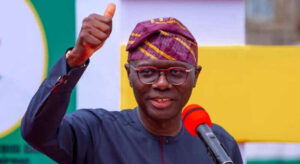
 Lagos State is making significant strides in strengthening its public transportation system, as the administration of Babajide Sanwo-Olu intensifies efforts to modernize rail infrastructure and improve urban mobility. One of the most notable recent developments is the delivery of 24 new train cars to support operations on the Red Line rail project, a key component of the state’s long-term transport master plan.
The arrival of these additional train sets marks a major milestone in the government’s push to provide efficient, reliable, and high-capacity alternatives to road transport. Lagos, being Nigeria’s commercial hub, faces persistent traffic congestion, which has long impacted productivity and quality of life for residents. By expanding its rail network, the state aims to significantly reduce travel time and ease the burden on major highways.
The Red Line rail project, which connects Agbado to Oyingbo, is designed to serve thousands of commuters daily. With the inclusion of the newly acquired train cars, the government is expected to increase the frequency of trips and accommodate more passengers, especially during peak hours. This development is anticipated to enhance commuter experience by reducing overcrowding and improving overall service efficiency.
Governor Sanwo-Olu has consistently emphasized the importance of integrated transportation in driving economic growth. According to the state government, investments in rail infrastructure are not only about easing movement but also about boosting commerce, creating jobs, and improving connectivity between key residential and commercial areas.
In addition to the Red Line, the Lagos State Government continues to make progress on other rail initiatives, including the Blue Line, which has already begun partial operations. Together, these rail systems form part of a broader strategy to create a multi-modal transport network that includes buses, ferries, and non-motorized transport options.
Residents and stakeholders have welcomed the latest development, noting that a functional rail system is critical for a megacity like Lagos. Urban planners and transport experts also view the expansion as a step in the right direction, particularly in addressing the city’s long-standing traffic challenges.
As Lagos continues to grow in population and economic importance, the need for sustainable and efficient transportation solutions becomes even more urgent. With the addition of new train cars and ongoing infrastructure investments, the Sanwo-Olu administration appears committed to transforming the state’s transport landscape and positioning Lagos as a model for modern urban mobility in Africa.
About the Author