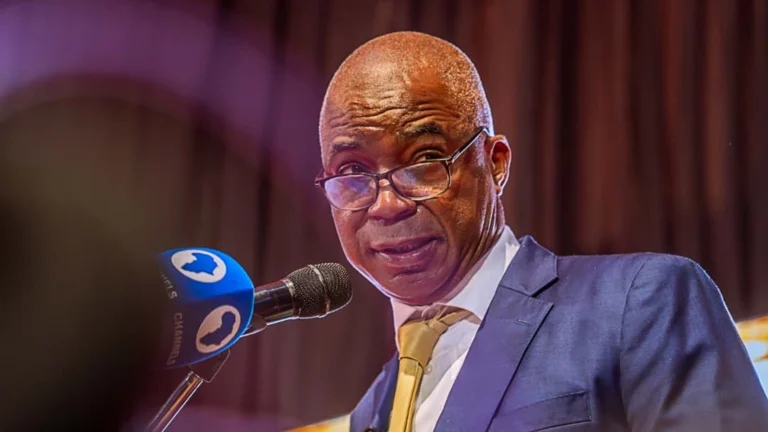






Group applauds people-centred agenda, says proposals on healthcare, transportation, housing, jobs and economic growth reflect the priorities of a modern Lagos.
The Campaign for Dignity in Governance (CDG) has commended the All Progressives Congress governorship candidate in Lagos State, Dr. Kadri Obafemi Hamzat, for unveiling his 100-point manifesto, describing the document as a comprehensive development agenda that places people, economic opportunities and improved public services at the centre of Lagos State’s future.
In a statement issued following the unveiling of the manifesto, titled The Lagos Promise (Ileri Eko), the group said the proposals demonstrate a broad understanding of the changing needs of Lagos and the importance of building a state where infrastructure, technology, economic growth and social development work together to improve the lives of residents.
The group, through its Convener, Razaq Olokoba, noted that the manifesto’s seven pillars — People First, Renewal, Opportunity, Machinery of Government, Inclusion, Security and Resilience, and Everyday Dignity — provide a wide-ranging framework for addressing the needs of different segments of the Lagos population.
According to the group, the emphasis on putting people first is particularly important because the true value of governance is reflected in the everyday experiences of citizens, including access to quality healthcare, affordable housing, efficient transportation, good education, employment and a safe environment.
CDG also highlighted the healthcare proposals, which include increasing maternal and child centres from 10 to 15, upgrading 100 primary healthcare centres and establishing two additional general hospitals in Ogombo and Ibeju-Lekki. The group described these commitments as important steps towards strengthening healthcare access and improving the wellbeing of families across the state.
On transportation, the group welcomed the proposed expansion of the public bus fleet from 1,000 to 4,000, alongside plans for rail development, improved water transportation and major road infrastructure. It said an efficient transport system is essential to a productive Lagos because millions of residents depend on reliable movement to access work, education and business opportunities.
The manifesto’s housing proposals also attracted the group’s attention, particularly the plans to introduce a 10 per cent mortgage deposit, single-digit interest rates and longer repayment periods. CDG described the proposals as encouraging ideas that speak directly to the aspirations of working families and young people seeking access to decent and affordable homes.
The group further commended the attention given to small businesses, vocational training, youth development, education, security, water supply and environmental management. It observed that these areas are closely connected to the economic strength of Lagos, noting that supporting small businesses and equipping young people with relevant skills can create wider opportunities for productivity and self-reliance.
Another aspect highlighted by CDG was the proposed establishment of a Lagos State Service Delivery Office and an independent Performance Council to monitor government commitments and publish performance reports. The group said the inclusion of an accountability framework reflects the importance of transparency, effective public administration and measurable progress in governance.
Olokoba stated that Lagos requires forward-looking policies that can respond to its growing population, expanding economy and increasing demand for modern infrastructure. He added that the manifesto presents an opportunity to advance conversations about a more inclusive, productive and prosperous state.
The Campaign for Dignity in Governance also noted that the proposals recognise the importance of development across different communities, ensuring that the benefits of growth extend beyond major commercial centres to neighbourhoods and communities where residents also deserve quality public services and economic opportunities.
The group commended Hamzat for presenting an agenda that addresses several important sectors of Lagos life, expressing the hope that the proposals will continue to generate constructive public engagement and contribute to the discussion about the state’s development priorities.
CDG reaffirmed its commitment to promoting responsible leadership, inclusive development and policies that improve the quality of life of ordinary Nigerians, describing The Lagos Promise as a significant contribution to the conversation about the next phase of Lagos State’s development.
About the Author