




EKSU Chancellor outlines plans for ICT centres in six technical colleges, international vocational training experts and a five-year transformation agenda for the university’s Geology Department.
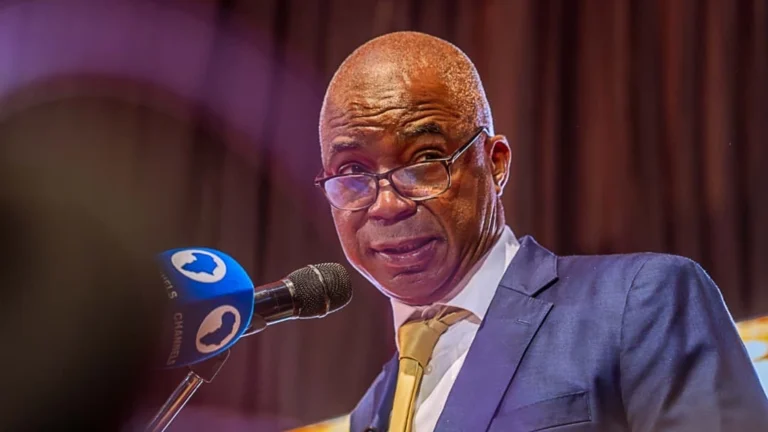
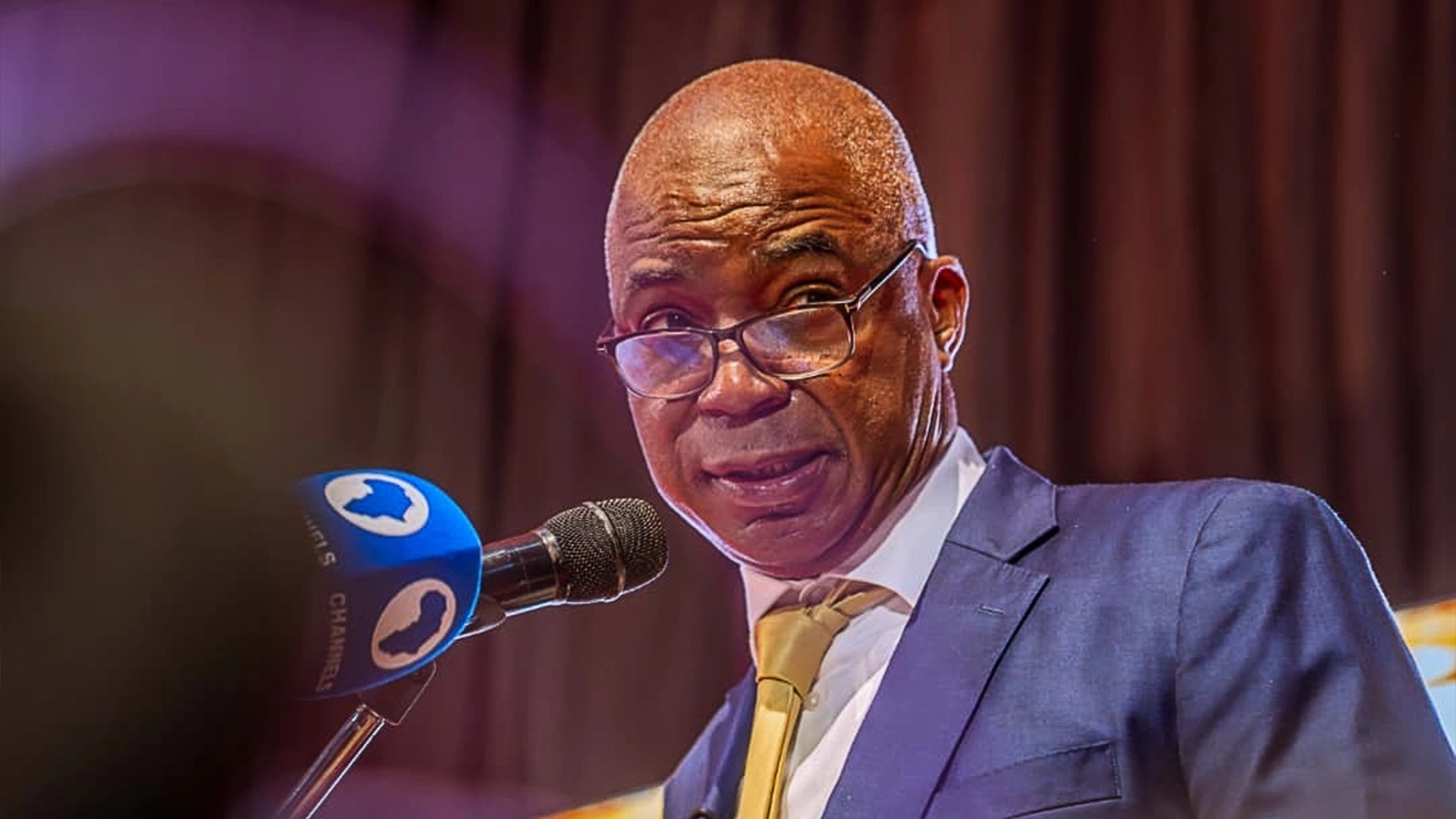
Dr. Tunji Olowolafe, Chancellor of Ekiti State University (EKSU), has challenged Ekiti State to translate its educational heritage, agricultural resources and human capital into jobs, industrial growth and sustainable prosperity as the state reflects on its 30-year journey.
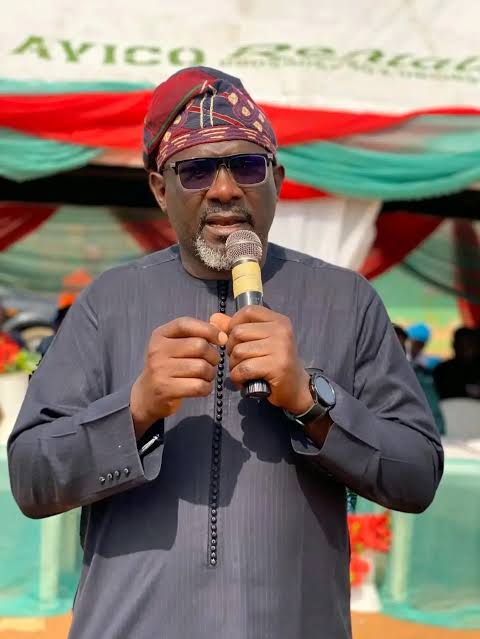
Olowolafe delivered the message while presenting the lead paper at the Ekiti at 30 Future Summit, held at the Obafemi Awolowo Civic and Convention Centre in Ado-Ekiti on Wednesday, October 7, 2026. His presentation, titled “The Path to Ekiti’s Greatness: Opportunities, Choices, and Imperatives for the Next 30 Years,” focused on the practical decisions required to secure the state’s future.
He argued that Ekiti’s next phase of development must go beyond celebrating its achievements in education and intellectual development. Instead, the state must turn its knowledge, skills and natural resources into productive enterprises, quality jobs and improved living standards.
According to Olowolafe, sustainable prosperity will depend on reliable electricity, practical vocational education, innovation and stronger connections between local industries and wider supply chains and global markets.
He stressed that education must prepare young people not only to obtain certificates but also to solve problems, create businesses and contribute directly to economic development. This, he noted, requires stronger technical training and closer links between educational institutions and the needs of industry.
TECHNICAL EDUCATION AND DIGITAL SKILLS
A major part of Olowolafe’s proposals centres on technical and vocational education. He identified the state’s six government technical colleges as important platforms for preparing young people for employment, entrepreneurship and emerging industries.
Through the Tunji Olowolafe Foundation, he outlined a commitment to establish information and communications technology centres in the six technical colleges. The proposed centres are intended to strengthen students’ digital skills and improve their readiness for opportunities in a technology-driven economy.
He also proposed bringing international vocational training experts to Ekiti to support practical learning and improve the quality of technical education. The emphasis, he explained, should be on equipping students with relevant, marketable skills that respond to real economic needs.
Another commitment is to work towards making the Geology Department of Ekiti State University one of the best in Africa within five years. The proposal reflects the importance of connecting higher education and research to the state’s development opportunities, particularly in areas that can support economic diversification.
These commitments provide a practical direction for strengthening the relationship between education, skills development and employment.
POWER, AGRICULTURE AND INDUSTRIAL DEVELOPMENT
Olowolafe also identified electricity as a critical requirement for Ekiti’s economic transformation. Without dependable power, small businesses, manufacturers, technology enterprises and agricultural processors face difficulties expanding their operations and creating jobs.
Among the ideas highlighted in his development vision was the possibility of ward-by-ward solar microgrids across the state’s 177 wards. Such an approach would seek to improve access to electricity and support communities and businesses that need reliable energy for productive activities.
Agriculture was another important area of focus. Olowolafe argued that Ekiti should move beyond producing agricultural commodities to processing them locally and capturing more value from its resources.
Cocoa processing and the use of solar-powered cocoa dryers featured among the opportunities identified. Developing local processing capacity could help reduce post-harvest losses, improve product quality and create opportunities across the agricultural value chain.
He also pointed to the need to connect the state’s mineral resources and technical expertise to wider industrial opportunities. The broader objective is to encourage a development model in which local resources support enterprise, employment and sustainable revenue rather than remaining underutilised.
INNOVATION AND KNOWLEDGE-DRIVEN DEVELOPMENT
The summit also highlighted the role of innovation in building Ekiti’s future. Olowolafe’s proposals included the development of an Ekiti Knowledge Zone and the Digi-Teach initiative at EKSU, reflecting the need to strengthen digital learning, research and the practical application of knowledge.
His vision places universities, technical institutions, government and the private sector within a wider development ecosystem. Under this approach, education and research should contribute to solving community challenges, supporting businesses and preparing young people for changing labour-market demands.
The work of the Tunji Olowolafe Foundation, including its focus on education, healthcare, agriculture and digital development, also reflects an interest in connecting social investment with practical community needs.
Olowolafe’s remarks reinforced the view that Ekiti’s educational reputation can become a stronger economic asset when graduates have access to relevant skills, infrastructure and opportunities to apply their knowledge.
A CALL FOR URGENCY AND ACCOUNTABILITY
Beyond identifying opportunities, Olowolafe called for greater urgency in implementing the state’s long-term development ambitions. He challenged stakeholders to pursue meaningful progress within a shorter period rather than allowing the next generation to wait another 30 years for the benefits of today’s plans.
He also emphasised the importance of regular review and accountability, proposing that stakeholders meet every two years to assess progress and determine whether development commitments are producing results.
The approach would make it possible to track implementation, identify gaps and adjust strategies when necessary. It also places responsibility on government, educational institutions, businesses and other stakeholders to contribute to the state’s progress.
His central message was that Ekiti’s future will depend not only on the opportunities available to it but also on the choices its people and leaders make today.
“Our first thirty years proved that Ekiti could exist. The next ten must prove that Ekiti will lead,” Olowolafe said, summing up the urgency of his call for a more ambitious development agenda.
As Ekiti marks its 30th anniversary, his proposals place technical education, reliable electricity, agricultural processing, digital innovation and institutional accountability at the centre of the conversation about its next phase.
The challenge now is to translate these ideas into measurable outcomes that improve livelihoods, expand economic opportunities and strengthen the state’s capacity to compete.
Olowolafe is the Chancellor of Ekiti State University and the founder of the Tunji Olowolafe Foundation.
About the Author