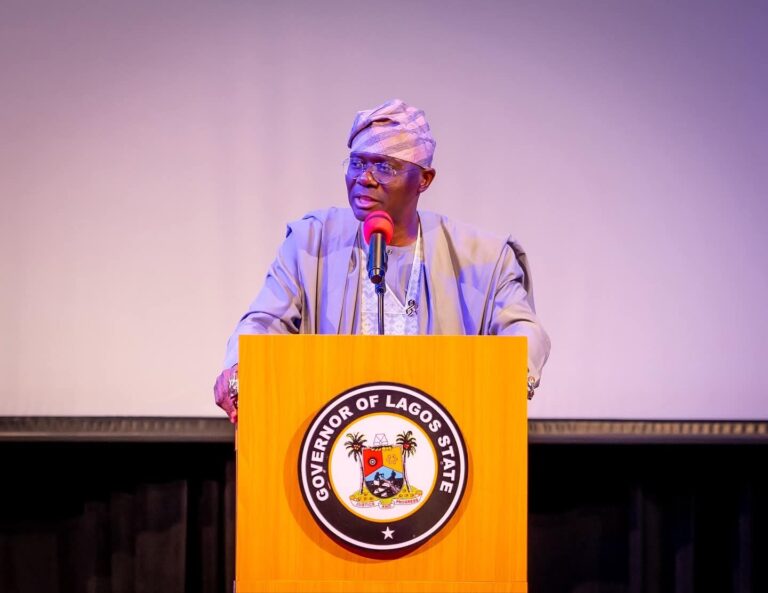


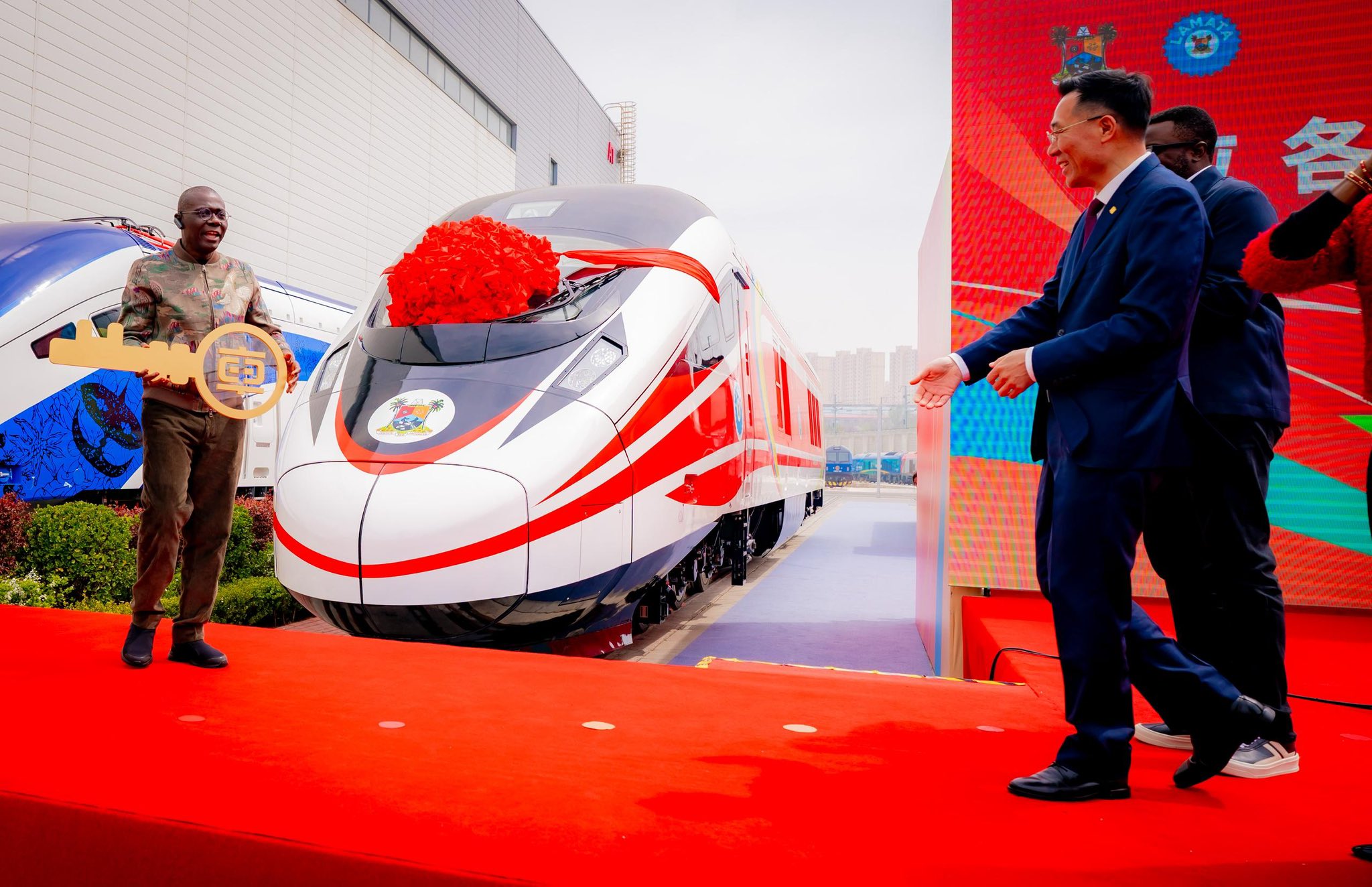
The Campaign for Dignity Governance has commended the Governor of Lagos State, Babajide Sanwo-Olu, following the arrival of a new set of 24-car trains to strengthen the Lagos Red Line rail system, describing the development as a significant milestone in the state’s journey toward building a modern, efficient, and reliable transportation network.
The trains, which arrived in April 2026, are part of a long-term infrastructure investment aimed at expanding capacity on the Red Line corridor and improving daily commuting for millions of Lagos residents who depend on public transport for mobility.
In a statement issued in Lagos, the Convener of the group, Razaq Olokoba, praised the Governor for his consistency in delivering on critical infrastructure projects, noting that the arrival of the trains reflects not just planning, but execution and commitment to results.
According to Olokoba, while discussions may continue around when the trains were originally procured, what matters most to citizens is the ability of leadership to bring such projects to completion and ensure they serve the people effectively.
“In governance, continuity is important, but delivery is critical. What Lagosians are witnessing today is a government that is not only sustaining long-term projects but also ensuring that they are completed and made functional for the benefit of the people,” he stated.
The Campaign for Dignity Governance noted that the addition of the 24-car train sets will significantly enhance the operational capacity of the Red Line, leading to shorter waiting times, reduced overcrowding, and improved overall commuting experience for passengers.
It emphasised that transportation remains one of the most pressing challenges in Lagos, a megacity with a rapidly growing population and increasing economic activity. As such, investments in mass transit systems are essential for maintaining productivity, reducing travel stress, and improving quality of life.
Olokoba explained that efficient transportation systems play a direct role in economic growth, as they enable workers to move more easily, businesses to operate more efficiently, and goods to be transported with greater speed and reliability.
“When transportation works, the city works. The arrival of these trains is not just about mobility; it is about productivity, economic growth, and the daily dignity of millions of Lagosians who rely on public transport,” he added.
The group further commended Governor Sanwo-Olu for maintaining focus on long-term transportation goals, despite the complexities associated with large-scale infrastructure projects. It noted that rail development requires significant investment, technical expertise, and sustained political will — all of which have been demonstrated in the ongoing expansion of the Lagos rail network.
According to the group, the Red Line project represents a critical component of Lagos State’s broader transport master plan, which seeks to integrate rail, road, and water transport systems into a seamless and efficient network.
It also highlighted that the introduction of additional train capacity will encourage more residents to adopt rail transport, thereby reducing pressure on road networks and contributing to decongestion across key traffic corridors.
“This is how modern cities grow — by investing in systems that move large numbers of people efficiently. The Red Line is a major step in that direction, and the arrival of these trains brings that vision closer to reality,” Olokoba noted.
The Campaign for Dignity Governance also addressed the broader narrative surrounding infrastructure development, stating that governance should not be reduced to debates over credit, but rather focused on outcomes and impact.
While acknowledging that projects often span multiple administrations, the group emphasised that effective leadership is measured by the ability to complete, operationalise, and maximise the benefits of such projects.
“Lagos is not just talking about development; Lagos is doing the work. The focus should be on results — on what the people can see, feel, and benefit from. And today, this is a result that millions will benefit from daily,” the statement added.
Furthermore, the group described the development as a strong signal of the administration’s commitment to building a transportation system that is inclusive, efficient, and sustainable.
It noted that reliable public transport is a key driver of social equity, as it provides affordable mobility options for residents across different income levels.
The group urged the state government to continue investing in maintenance, operational efficiency, and expansion of the rail network to ensure that the benefits of the Red Line are sustained over time.
It also called for increased public awareness and engagement to encourage responsible use of the system and maximise its impact.
Olokoba concluded by reaffirming the group’s support for infrastructure policies that prioritise people, productivity, and long-term development, expressing confidence that Lagos is steadily moving toward becoming a city defined by efficiency, connectivity, and opportunity.
“This is what purposeful governance looks like — the ability to take vision, sustain it, and ultimately deliver it in a way that transforms lives. Governor Sanwo-Olu has once again demonstrated that Lagos is on the right path,” he concluded.
About the Author