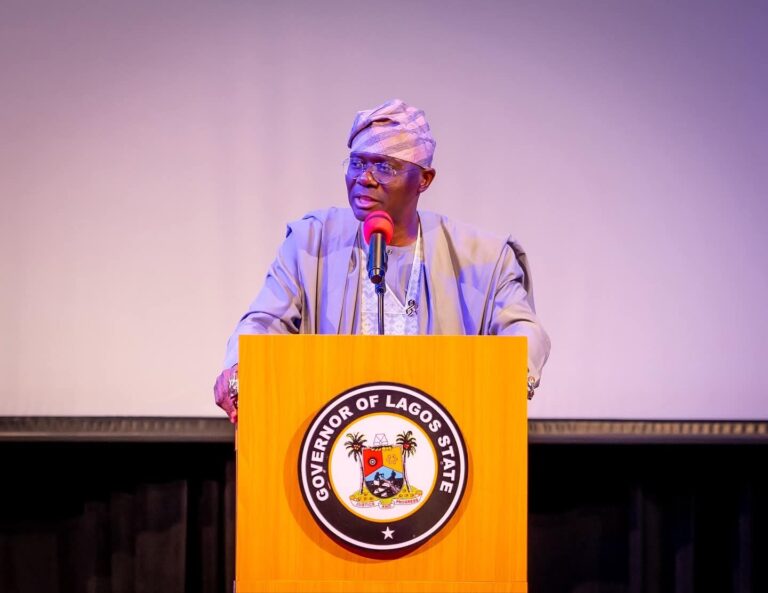




 Lagos is currently playing host to a series of important national engagements, further reinforcing its position as the country’s economic and administrative hub. Among the most notable of these is the ongoing meeting of the Joint Revenue Board, which commenced today and is expected to bring together key stakeholders from across the federation.
The Joint Revenue Board meeting is a crucial gathering within Nigeria’s fiscal landscape, involving representatives from federal, state, and local government revenue agencies. The primary objective of the meeting is to review existing tax frameworks, strengthen intergovernmental collaboration, and develop strategies to improve revenue collection across the country. At a time when Nigeria is seeking to diversify its revenue base, such discussions are both timely and necessary.
Lagos’ selection as the host city is not coincidental. As Nigeria’s commercial nerve centre, the state has built a reputation for strong internally generated revenue and relatively efficient tax administration systems. Its experience in leveraging technology and policy reforms to boost revenue performance makes it a model for other states. Hosting the meeting therefore provides an opportunity for participants to gain firsthand insights into practical approaches that have contributed to Lagos’ success.
Deliberations at the meeting are expected to focus on several pressing issues, including the elimination of illegal tax collection practices, improvement of compliance mechanisms, and the adoption of unified systems that can enhance transparency. Participants will also explore ways to close revenue gaps and ensure that tax processes are streamlined across different levels of government. These efforts are aimed at building a more coordinated and effective national revenue structure.
Beyond the technical discussions, the meeting also highlights the broader importance of economic coordination in Nigeria’s development agenda. By bringing together decision-makers and experts in one location, the Joint Revenue Board fosters dialogue that can lead to more consistent and well-aligned fiscal policies. This level of cooperation is essential for addressing systemic challenges and ensuring sustainable economic growth.
Overall, the hosting of this high-level engagement in Lagos reflects the state’s continued relevance in national affairs. It not only demonstrates Lagos’ capacity to accommodate major policy events but also underscores its leadership role in shaping conversations around economic reform and fiscal stability in Nigeria.
About the Author