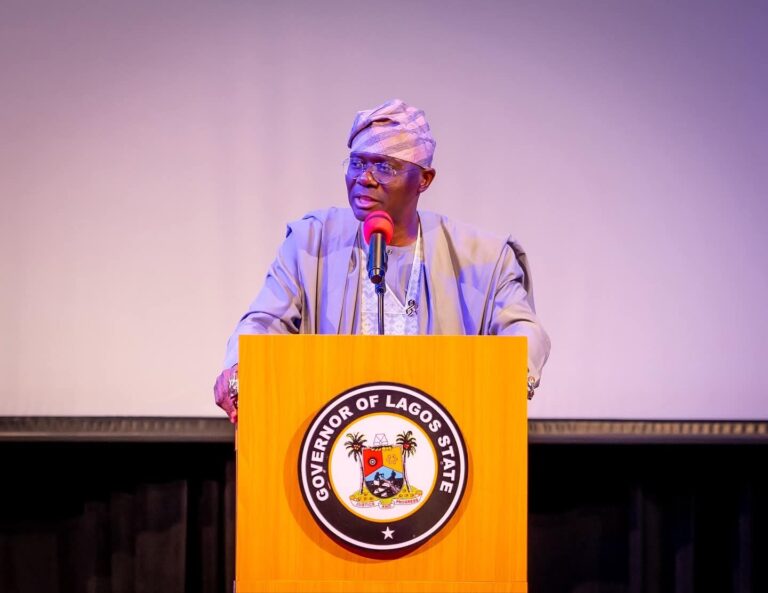




 The Lagos State Government has intensified efforts to improve public service delivery with the deployment of a new fleet of operational vehicles under the World Bank-supported HOPE Programme. The move is part of a broader strategy by Governor Babajide Sanwo-Olu to enhance efficiency, accountability, and monitoring across critical sectors in the state.
The newly deployed vehicles are expected to support field operations, supervision, and real-time engagement with communities, particularly in sectors such as education, healthcare, and social protection. Officials say the lack of mobility has often slowed down the implementation of key programmes, making it difficult for government teams to effectively monitor projects and respond promptly to challenges on the ground. With this development, agencies involved in the HOPE Programme will now have improved logistical capacity to carry out their responsibilities.
The HOPE Programme—short for Human Capital Opportunities for Prosperity and Equity—is a World Bank-backed initiative designed to strengthen systems that directly impact the well-being of citizens. In Lagos, the programme focuses on improving outcomes in education, healthcare delivery, and social services, especially for vulnerable populations. By providing operational tools such as vehicles, the state government aims to bridge gaps between policy design and execution.
Speaking on the initiative, representatives of the state government highlighted that the vehicles would be distributed to key ministries, departments, and agencies responsible for implementing the programme. This is expected to enhance coordination, increase field presence, and ensure that interventions reach intended beneficiaries without unnecessary delays.
Governor Sanwo-Olu has consistently emphasized the importance of efficient governance and data-driven decision-making. The deployment of these vehicles aligns with his administration’s commitment to strengthening institutional capacity and ensuring that public resources are utilized effectively. It also reflects Lagos’ ongoing collaboration with international development partners to drive reforms and improve service delivery standards.
Stakeholders believe the initiative will have a ripple effect across the state’s governance structure. With better mobility, officials can conduct more frequent inspections, gather accurate data, and provide timely feedback, all of which are essential for measuring impact and ensuring transparency.
For residents, particularly those in underserved communities, the improved implementation of the HOPE Programme could translate into better access to quality education, healthcare, and social support services. As Lagos continues to expand its population and economic footprint, initiatives like this underscore the need for strong systems that can keep pace with growing demand.
Ultimately, the deployment of operational vehicles may appear routine, but it represents a critical investment in the machinery of governance—one that could significantly enhance the effectiveness of public programmes and improve the daily lives of millions across the state.
About the Author