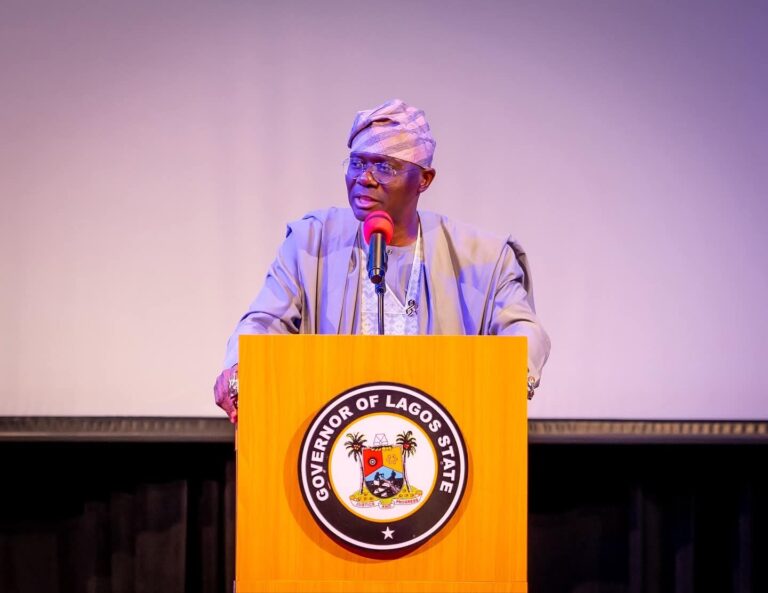




 The Lagos State Government has taken a significant step toward addressing persistent electricity challenges with the signing of new power purchase agreements aimed at boosting supply across the state. The initiative, spearheaded by Governor Babajide Sanwo-Olu, is part of a broader strategy to improve energy reliability for residents, businesses, and public institutions.
At the core of the development is a deal involving the generation of about 60 megawatts (MW) of electricity through partnerships with private energy firms. The agreements are structured to ensure efficiency and accountability, introducing a “no power, no pay” policy that ties payment strictly to performance. This approach is designed to protect public funds while compelling service providers to meet agreed delivery standards.
Officials say the additional power will primarily support critical infrastructure such as hospitals, schools, government offices, and water supply systems. Over time, the plan is expected to expand to industrial clusters and commercial hubs, where stable electricity remains essential for productivity and economic growth.
Speaking on the initiative, Sanwo-Olu emphasized that reliable power is a cornerstone of Lagos’ development ambitions. He noted that the state cannot depend solely on the national grid, which has long been plagued by instability, but must instead pursue independent and embedded power solutions tailored to its unique needs as Nigeria’s economic hub.
Energy experts have welcomed the move, describing it as a practical step toward decentralizing electricity supply. By leveraging partnerships with private sector players, Lagos is positioning itself to attract further investment into the energy sector while reducing pressure on the overstretched national grid.
The agreements also align with the state’s long-term vision of building a sustainable and resilient energy ecosystem, including the integration of renewable energy sources in the future. While the immediate output of 60MW may only address a fraction of Lagos’ total demand, stakeholders see it as a foundation for larger-scale projects.
For many residents and business owners who have long struggled with erratic power supply and high energy costs, the success of this initiative will be closely watched. If effectively implemented, it could mark a turning point in Lagos’ quest for stable electricity and improved quality of life.
About the Author