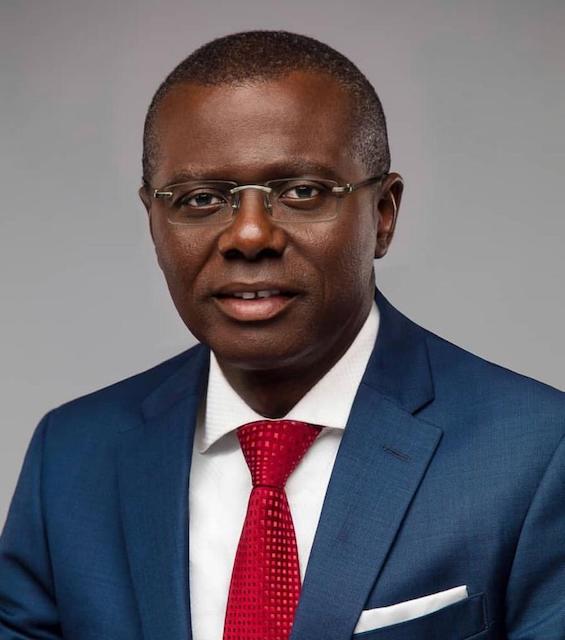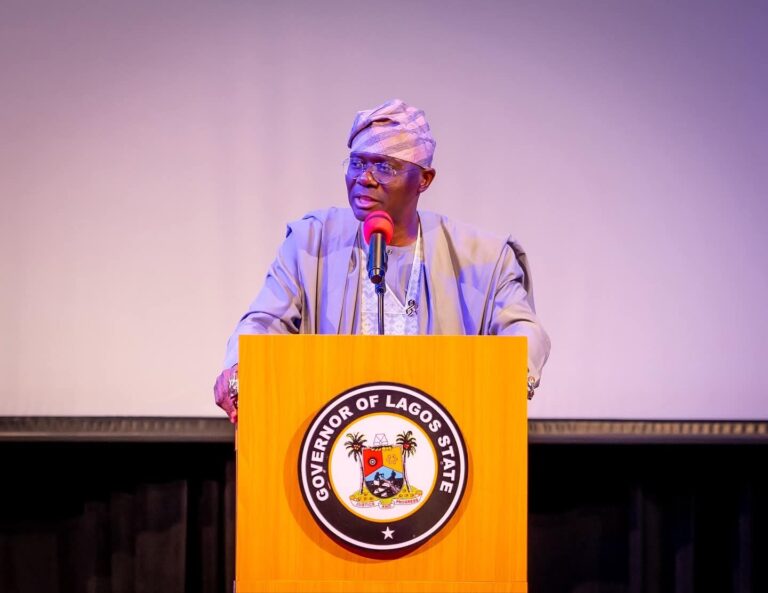


 The Lagos State Government is set to unveil a comprehensive industrial policy aimed at transforming the state into a leading manufacturing and economic hub in Africa. The initiative, championed by Governor Babajide Sanwo-Olu, is part of a broader strategy to strengthen the state’s economy, create jobs, and attract both local and foreign investments.
The proposed Industrial Policy, expected to span several years, is designed to provide a clear framework for industrial development across key sectors. It will focus on improving infrastructure, boosting productivity, and creating an enabling environment for businesses to thrive. Government officials say the policy will prioritize sectors such as manufacturing, technology, logistics, and agro-processing, all of which are seen as critical to sustainable economic growth.
One of the major objectives of the policy is to address long-standing challenges that have hindered industrial expansion in Lagos. These include unreliable power supply, high production costs, and logistical bottlenecks. To tackle these issues, the government plans to align the policy with ongoing reforms in the power sector, transportation networks, and regulatory processes. By doing so, Lagos aims to reduce the cost of doing business and enhance competitiveness.
In addition, the policy is expected to emphasize public-private partnerships as a key driver of development. The state government is looking to collaborate closely with investors, industry leaders, and development partners to ensure successful implementation. This approach is intended to foster innovation, improve efficiency, and accelerate the pace of industrialization.
Another key component of the policy is job creation. With Lagos being Nigeria’s commercial nerve center and home to a rapidly growing population, the need for employment opportunities remains urgent. The industrial policy is projected to generate thousands of jobs across various sectors, particularly for young people and skilled workers. This aligns with the administration’s broader commitment to inclusive economic growth.
Furthermore, the policy will promote sustainability and environmental responsibility. Authorities have indicated that industrial growth must be balanced with environmental protection, ensuring that development does not come at the expense of public health or ecological stability.
As Lagos prepares to roll out this ambitious plan, stakeholders have expressed optimism about its potential impact. If effectively implemented, the industrial policy could mark a significant turning point in the state’s economic trajectory, reinforcing its position as a leading business destination in Africa.
About the Author