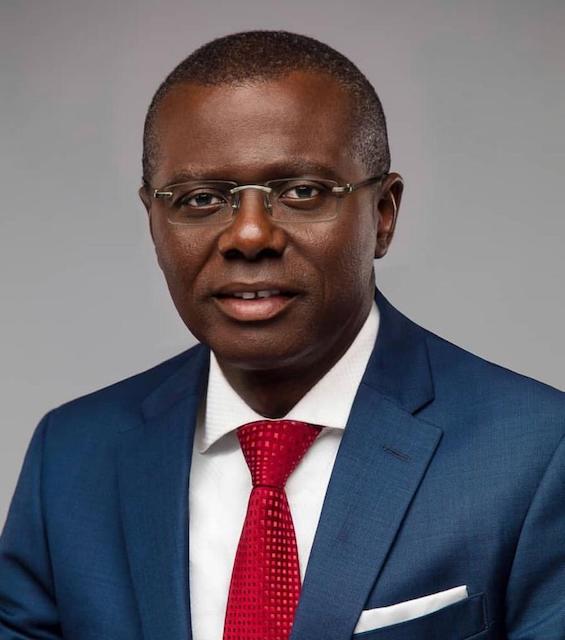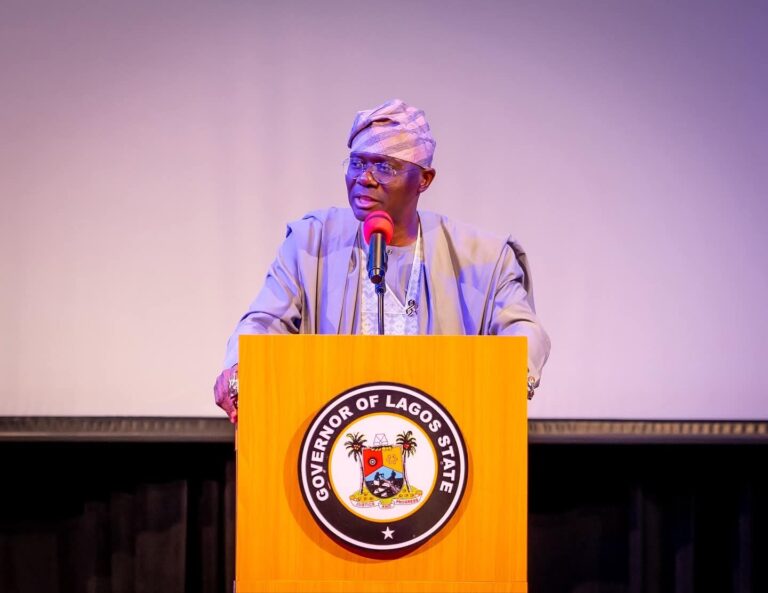


 Governor Babajide Sanwo-Olu has witnessed the signing of three major power purchase agreements at Lagos House, Marina, in a move aimed at strengthening electricity supply and addressing persistent energy challenges in the state.
The agreements, signed in the presence of top government officials, energy sector stakeholders, and private investors, are designed to build on existing power infrastructure while tackling areas that have previously limited efficiency and reliability. The initiative reflects the state government’s renewed commitment to improving power availability for residents and businesses.
Speaking at the event, Governor Sanwo-Olu noted that access to stable electricity remains a critical driver of economic growth, industrial productivity, and overall quality of life. He emphasized that the newly signed agreements are part of a broader strategy to ensure Lagos achieves a more reliable and sustainable energy mix. According to him, the state is focused not only on increasing power generation but also on improving distribution and accountability within the sector.
The agreements are expected to enhance capacity by introducing new generation sources and optimizing existing systems. In addition, they aim to address long-standing issues such as inconsistent supply, inefficiencies in distribution, and gaps in service delivery. By targeting these problem areas, the state hopes to create a more dependable power network that can support its growing population and expanding economy.
Stakeholders at the signing highlighted the importance of collaboration between the public and private sectors in achieving meaningful progress. The participation of independent power producers and investors is expected to bring technical expertise, innovation, and funding needed to drive the initiative forward. This partnership model aligns with Lagos State’s broader approach to infrastructure development.
The move also complements ongoing reforms in the state’s power sector, including efforts to enforce accountability and improve service standards. Officials reiterated that reliable electricity is essential for reducing the cost of doing business, attracting investment, and boosting small and medium-scale enterprises.
Residents and industry players have expressed cautious optimism about the development, noting that consistent implementation will be key to achieving the desired results. If successful, the agreements could significantly ease power-related challenges and enhance economic activities across the state.
With the signing of these power purchase agreements, Lagos takes another step toward securing a more stable energy future, reinforcing its position as Nigeria’s commercial hub and a leading destination for investment.
About the Author