



The Lagos State Government has intensified efforts to improve waste management and environmental sustainability as part of ongoing initiatives aimed at keeping Africa’s largest city clean, healthy, and economically productive.
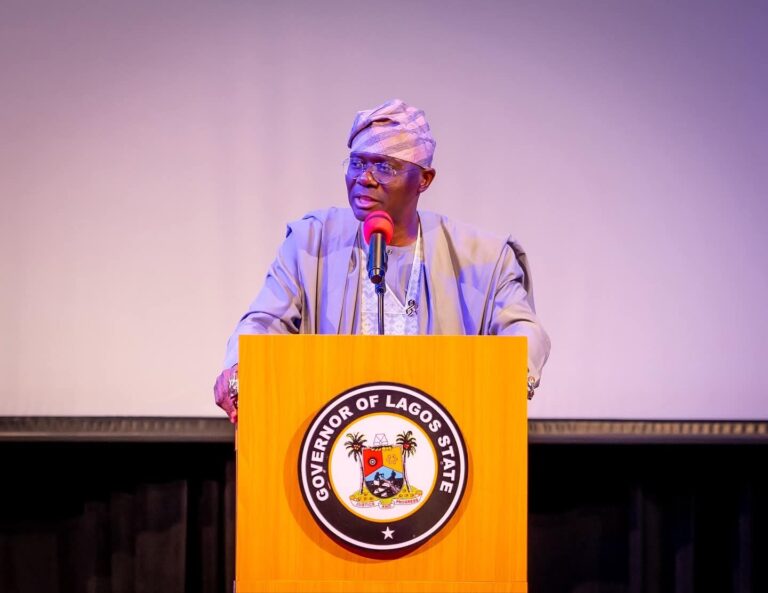
As one of the fastest-growing cities in the world, Lagos generates more than 13,000 tonnes of waste daily, presenting significant challenges in waste collection, disposal, and environmental protection. To address these challenges, the administration of Governor Babajide Sanwo-Olu has, over the past seven years, implemented strategic measures to strengthen the state’s waste management system.
A key component of the government’s approach has been the enhancement of waste collection services through Private Sector Participation (PSP) operators. These operators have been empowered with improved support and resources to ensure more efficient waste evacuation across communities.
The state government has also expanded recycling programmes aimed at reducing the volume of waste sent to dumpsites while promoting the reuse of valuable materials. Through various environmental awareness campaigns and community-based initiatives, residents are being encouraged to adopt responsible waste disposal habits and participate actively in recycling activities.
In addition, Lagos has deployed marine waste evacuation teams to tackle pollution along waterways and coastal areas. The initiative is designed to preserve aquatic ecosystems, improve environmental quality, and maintain the state’s extensive water transport corridors.
The Sanwo-Olu administration has equally promoted waste-to-wealth programmes that transform waste into useful products and economic opportunities. These initiatives have created jobs, encouraged innovation, and supported the growth of a circular economy.
To further modernise the sector, the government continues to invest in advanced waste management technologies, infrastructure, and strategic partnerships with local and international stakeholders.
Officials say the sustained investments are helping to build a cleaner, more resilient Lagos while positioning the state as a model for sustainable urban waste management in Africa.
About the Author